
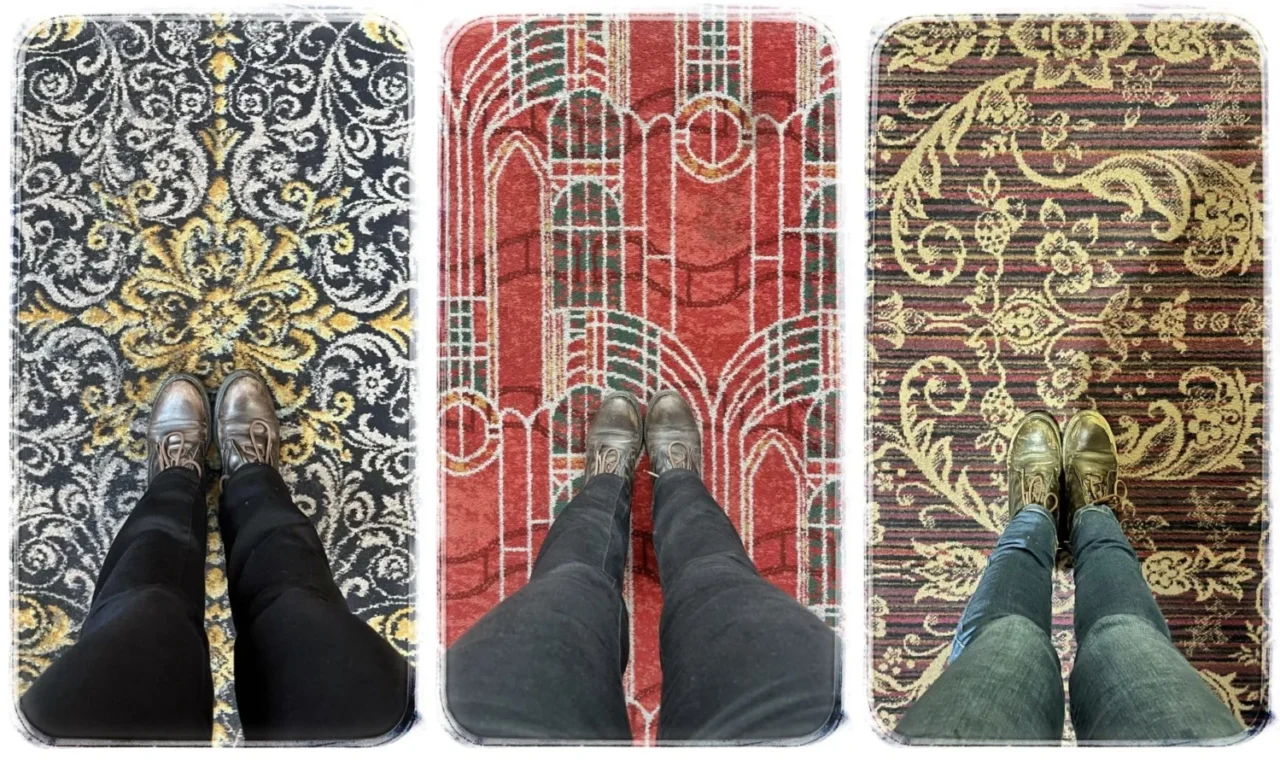
Since opening its first pub in 1979, Wetherspoons has become a staple of British pub culture. Today, the pub chain is known across the UK and Ireland for its affordable food, cheap pints and impressive historic buildings. Having travelled extensively around the country, I noticed that although every Wetherspoons feels familiar, one thing always changes: the carpet. While some people barely notice it, others have turned Wetherspoons carpets into a genuine hobby, travelling across the UK in search of the most unusual carpets.

Table of Contents
How Wetherspoons Carpets Became a Signature Feature
Unlike many pub chains, Wetherspoons has never aimed to make every venue look identical. When founder Tim Martin opened the first Wetherspoons in 1979, he wanted each pub to have its own atmosphere and sense of identity rather than feeling like a copy of the last. Many of the chain’s pubs are housed in historic buildings, from former banks and theatres to churches and post offices, each with its own character and history. To reflect that individuality, every pub is given a custom carpet inspired by the building or its location.
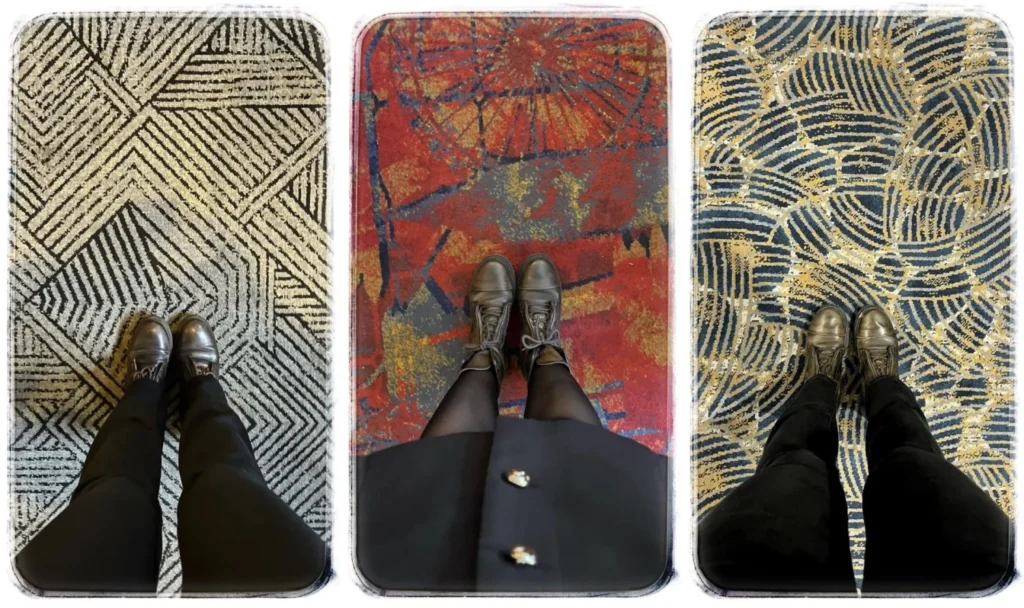
What began as a simple design philosophy gradually became one of Wetherspoons’ most recognisable features. As the chain expanded across the UK and Ireland, customers started noticing that no two carpets were the same. Before long, these colourful patterns had developed a cult following, with visitors sharing their favourites online and even planning trips around particularly unusual designs. Today, looking down at the carpet has become part of the Wetherspoons experience.
The Role of Carpets in Wetherspoons’ Brand Identity
Although Wetherspoons carpets are often admired for their bold colours and intricate patterns, they serve a much bigger purpose than pure decoration. Each design helps reinforce the identity of an individual pub, reminding visitors that they are somewhere unique rather than in a venue that looks exactly like every other branch. Together with local artwork and restored architecture, the carpets help preserve a sense of place.
This attention to detail has become an important part of Wetherspoons’ brand identity. While many chains rely on consistency, Wetherspoons has built its reputation around celebrating the character of each location. The carpets are a perfect example of that approach, encouraging customers to look more closely at their surroundings and becoming an unexpected symbol of the chain, proving that even the smallest design choices can leave a lasting impression.
My Favourite Wetherspoons Carpets
Over time, I ended up building my own little collection of Wetherspoons carpet photos from my travels around the UK. Some of them stood out because I liked the design, while others became memorable because of the places and moments tied to them. To me, these carpets are more than just patterns on the floor: they are small reminders of the journeys, cities and memories attached to each visit.
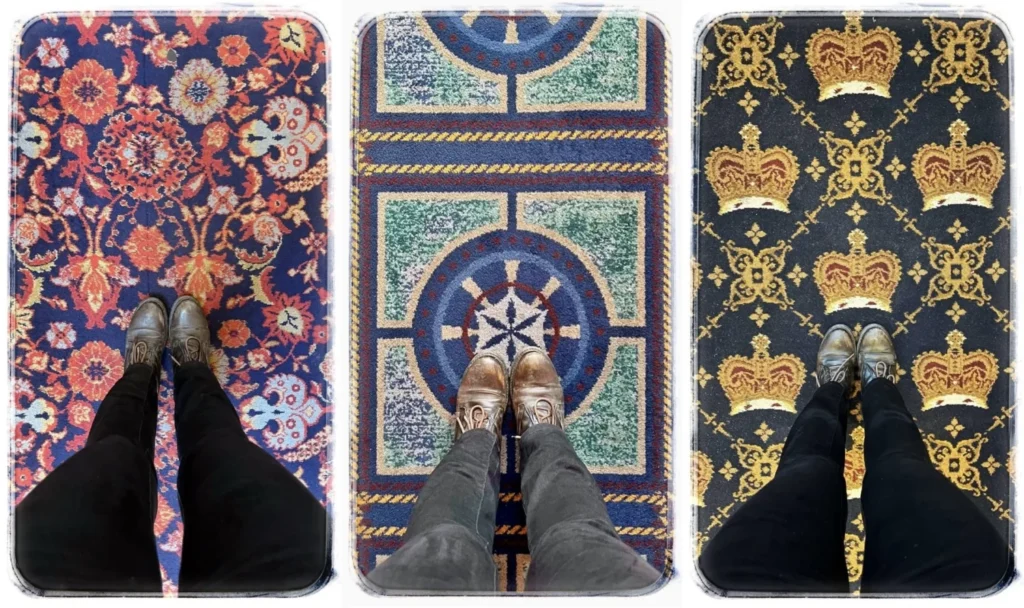
One of my favourites is in Bristol, at The Commercial Rooms, where the bright colours of the design really stand out inside a building I’ve visited a few times, and it fits the lively character of the city so well.
Another special one is in Gloucester, at the The Lord High Constable of England Wetherspoons by the canal, where the design features golden ropes interwoven across the carpet alongside round patterns resembling steering wheels, which reminds me of the canal and the significance of Gloucester as a historical port town.
My third favourite is at The Sir Walter Scott at the Edinburgh Airport, where the carpet features crowns woven into the pattern. I have walked across that carpet many times while heading back to Dublin after visiting friends in Edinburgh, so it feels especially meaningful to me.
Each of these carpets tells its own small story about the places and moments I discovered during my travels.



Leave a Comment