
England
England, once you get past London
Most people get three days in London, photograph a red bus and go home. England is a hundred and thirty thousand square kilometres, and almost none of it is London.
It is also the country I know best in the world. I have been pretty much all over it, and never once needed a car.
England is not a country
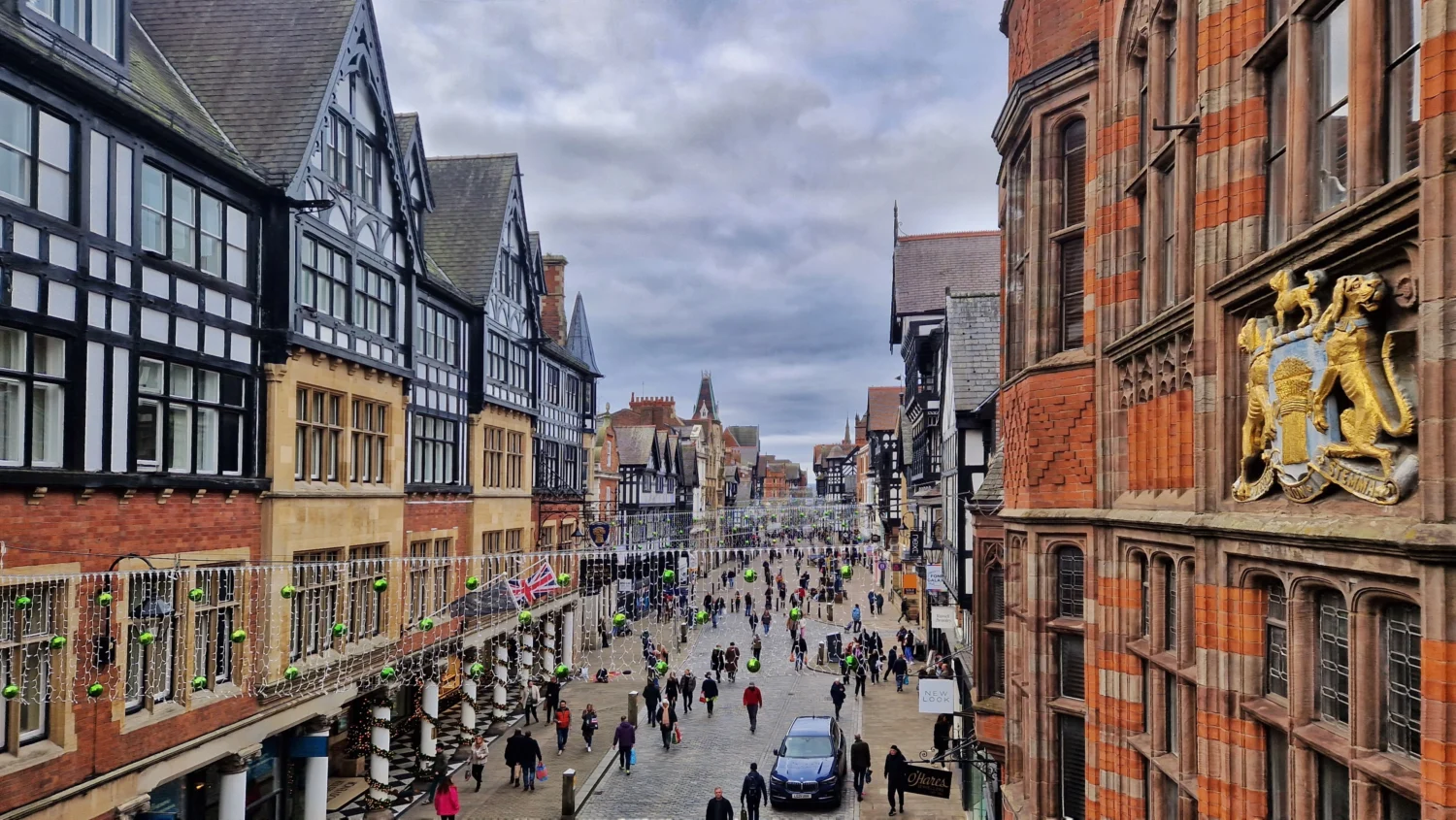
The bit everyone gets wrongEngland has no passport, no seat at the United Nations and no government of its own. The state is the United Kingdom; England is one of four nations inside it, alongside Scotland, Wales and Northern Ireland.
It does have its own football team, its own legal system and its own church, which is why it feels like a country and gets called one constantly — including by the British.
United Kingdom
The country in the passport sense — the state. England, Scotland, Wales and Northern Ireland together.
Great Britain
The island. England, Scotland and Wales, without Northern Ireland.
The British Isles
The whole archipelago, which adds Ireland and several thousand smaller islands.
A very short history
Five dates that explain most of what you will look atRoads, baths and walls that are still standing — at Chester, at Bath, and right across the country at Hadrian’s Wall.
The Anglo-Saxon kingdoms are pulled into one. The name simply means the land of the Angles.
The Normans take it, and nobody has managed it since. Most of the castles and cathedrals date from what followed.
Henry VIII splits from the Pope. Within a decade half the abbeys are the ruins you can now walk around for free.
The Industrial Revolution begins in the north. Manchester and Liverpool become the first cities of the modern world.
When to come
Four seasons, one right answerSpring
Everything turns green at once and the gardens open. Still quiet, still cheap, and you will want a coat anyway.
Summer
Light until past nine in the evening. Warm rather than hot. Busiest from late July.
Autumn
The best light of the year and far fewer people. September is summer with the crowds removed.
Winter
Dark by four. Bleak on the coast, wonderful in a city with a market and a pub fire.
The days are at their longest, the gardens are at their best, and the school holidays have not started — so the coast is still yours. September is the close second: the same weather, half the people.
London gets around 615 mm a year. Rome gets 750 mm. England’s reputation is not about how much falls but how it is spread: a little, often, all year. The west is always wetter — Liverpool 835 mm, Plymouth 1,040 mm.
Is it safe?
England is a safe place to travel. The United Kingdom has sat inside the Global Peace Index’s “high peace” band for years.
What happens to visitors is not violence — it is a phone leaving a back pocket in a crowd. Watch your bag on the Underground and in a busy pub. Emergency: 999.
Getting in
Most visitors need an ETA, an Electronic Travel Authorisation, before they fly. It is not a visa, and British and Irish citizens do not need one.
You apply on your phone for about the price of a pub lunch, it is usually decided in minutes, and it lasts a couple of years. Current fee on gov.uk.
Getting around
You do not need a car. Everywhere on this page is reachable by train and bus, and that is how I reached all of it.
If you are 16–30, over 60, or travelling as a pair, buy a Railcard: a third off nearly every fare, and it pays for itself in two journeys.
Things nobody tells you
Six that save money or embarrassmentMuseums are free
Almost every national museum in England costs nothing, in Liverpool and Manchester as much as in London. Walk in for twenty minutes and walk out again.
Order at the bar
In a pub you order and pay at the bar, and nobody comes to your table. You do not tip for a drink.
Ask for tap water
Free, safe and everywhere. Ask only for “water” and you will often be sold a bottle.
Book trains early
Same-day fares are frequently three or four times the advance price for the identical seat.
Sundays are different
Smaller shops shut early and rural buses thin right out. Save Sunday for a walk or a long lunch, not for getting somewhere.
A coat, not an umbrella
It rains lightly, often, and usually sideways. An umbrella will not survive the wind; a hood will.
Six regions, none of them far
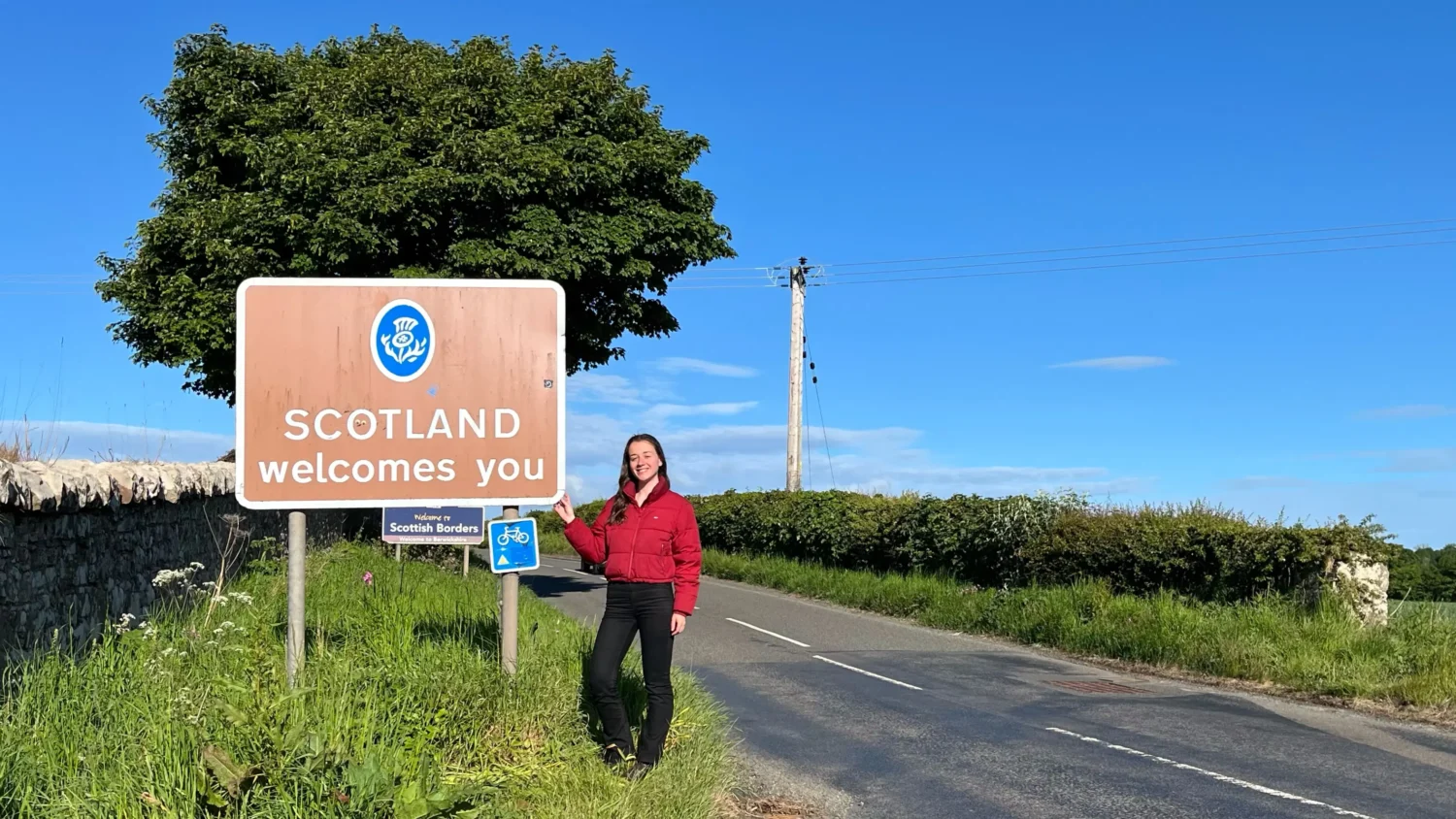
England is roughly a quarter the size of France. You can be in London in the morning and on the Scottish border before dinner, on one train.
That is the real argument for leaving London: not that London is bad, but that everything else is so close.
London and the South East
The part you already know, and the counties wrapped around it.
Canterbury’s cathedral, Brighton’s pier and lanes, the white cliffs at Dover, Kent’s orchards — nearly all of it about an hour from central London by train.
TipTreat these as day trips, not expeditions. You can be at the Dover cliffs before lunch and back in London for dinner.
The West Country
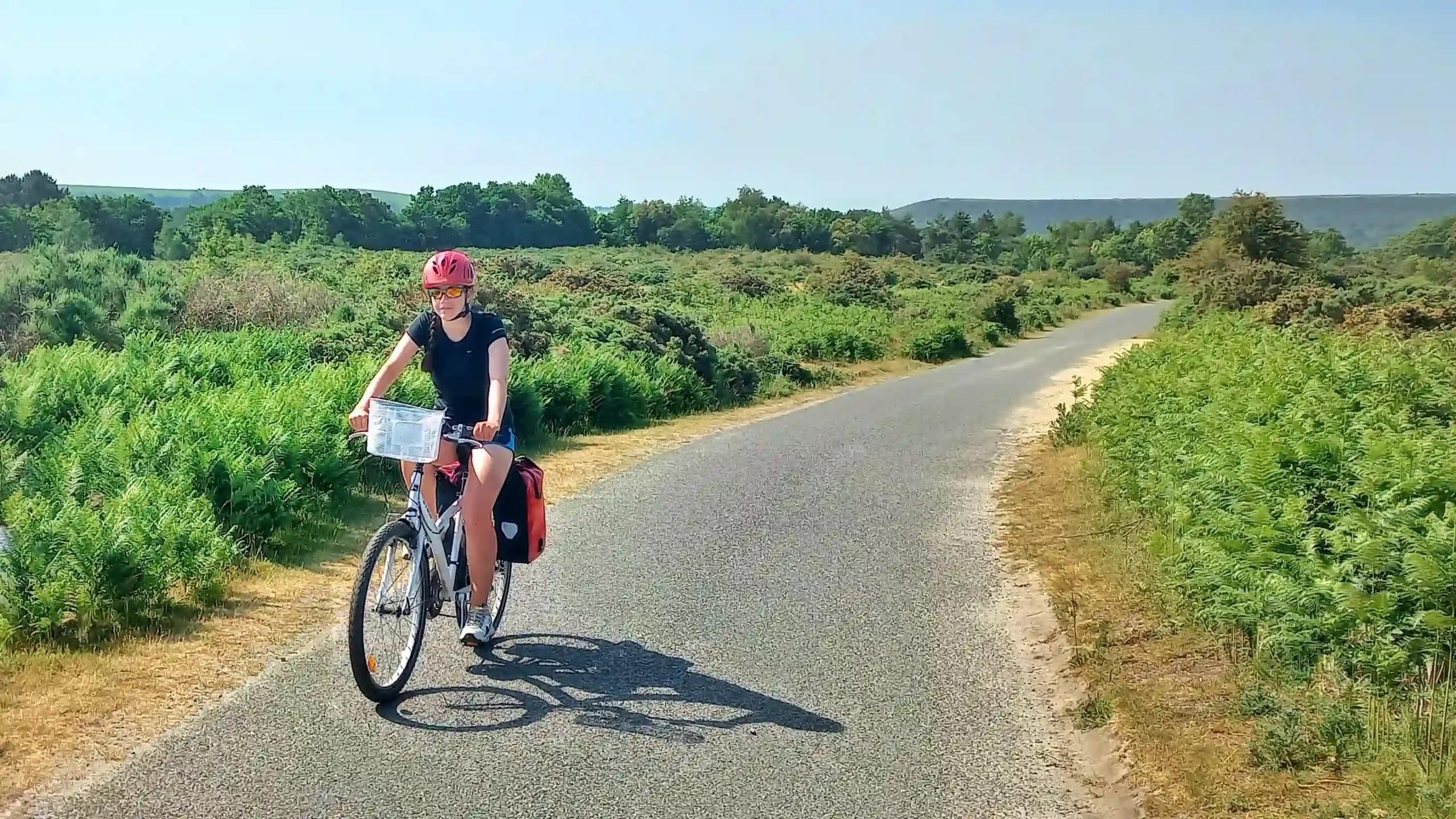
The peninsula running south-west into the Atlantic: Somerset, Devon and Cornwall.
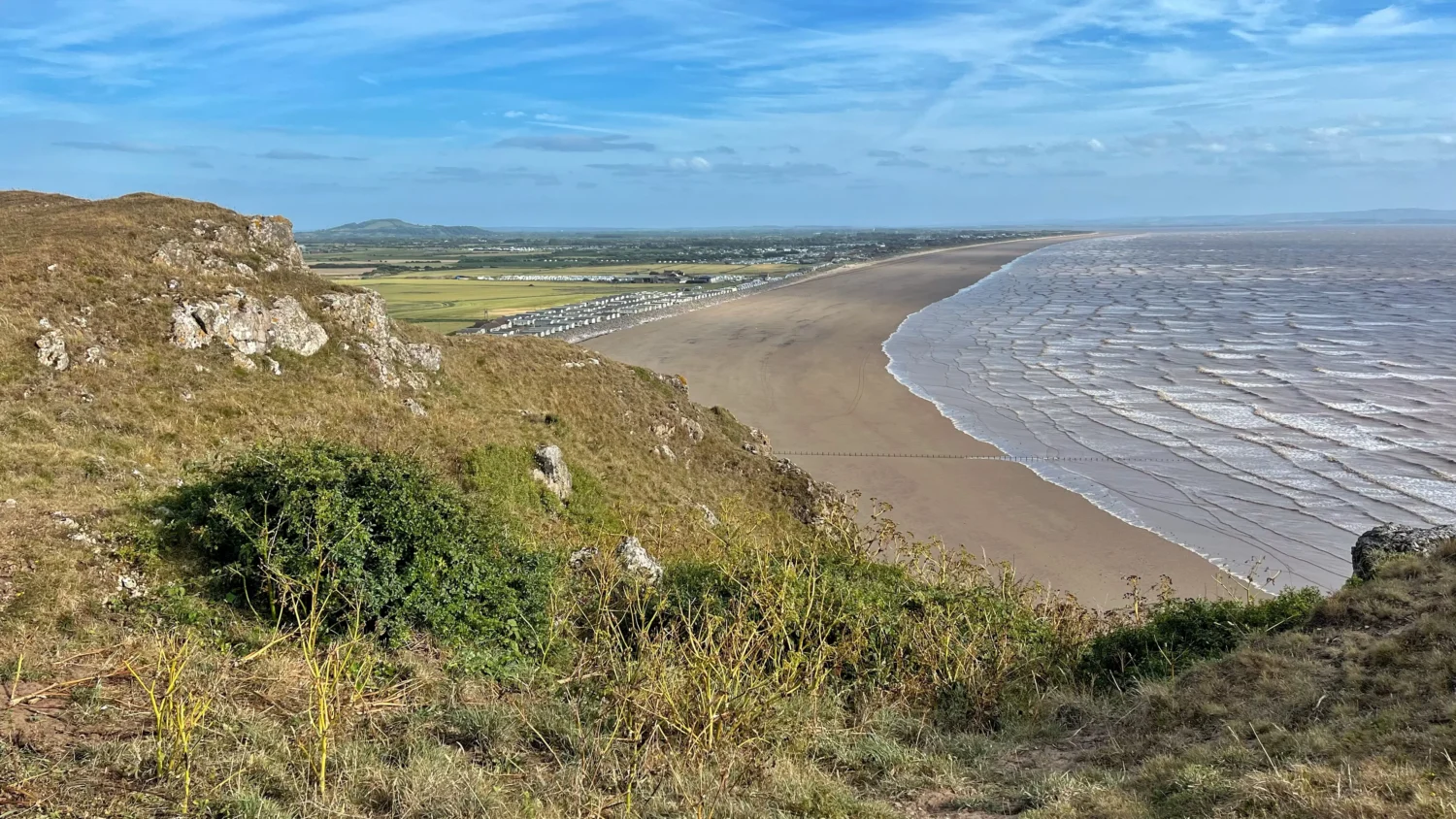
Cliff paths and surf beaches, moorland with wild ponies on it, Bath’s Georgian crescents, and seaside towns the English have been coming to for two hundred years.
TipCornwall in August is beautiful and completely full. Come in June or September and it is the same coast with somewhere to park.
The Cotswolds and the Midlands
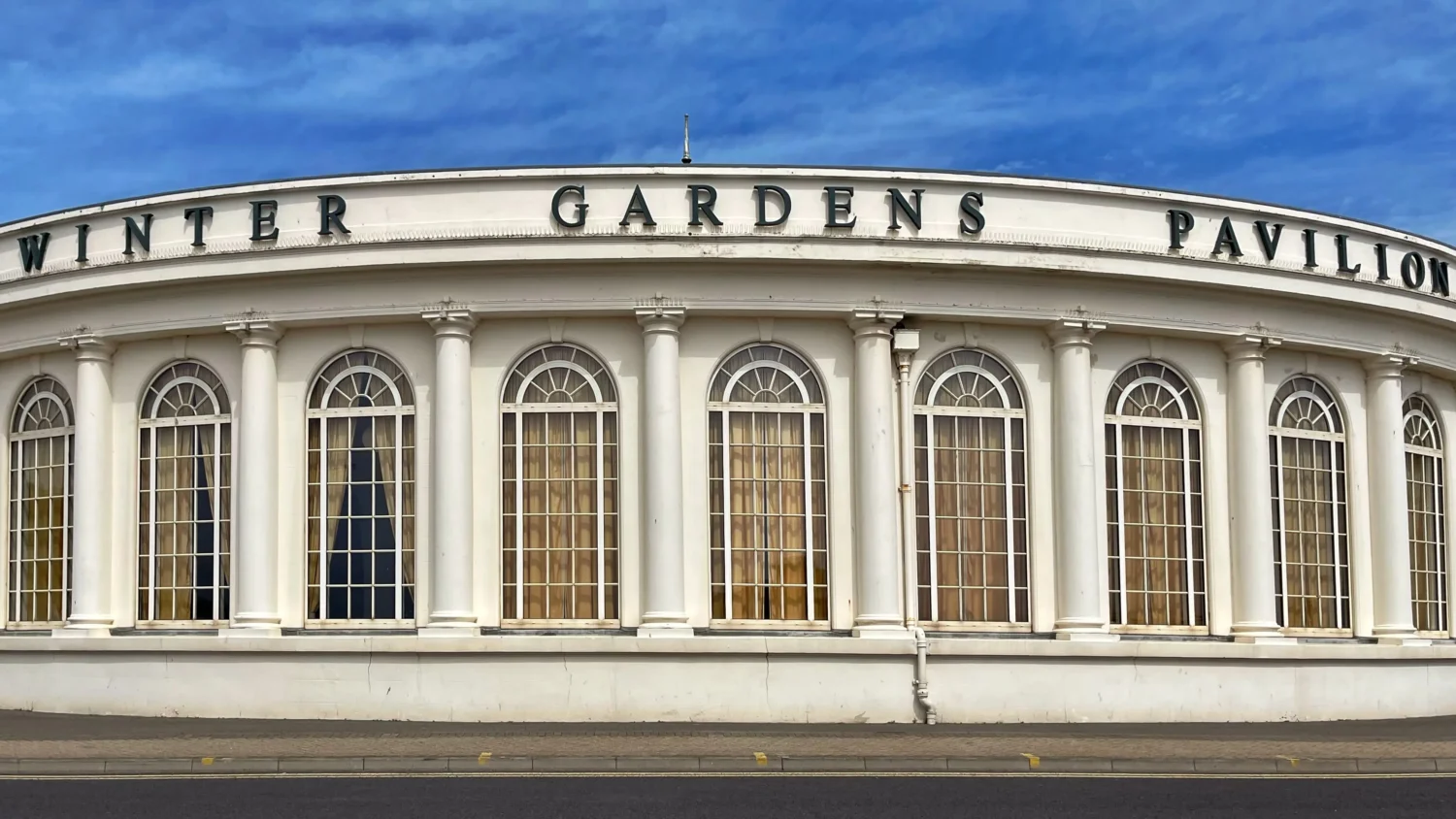
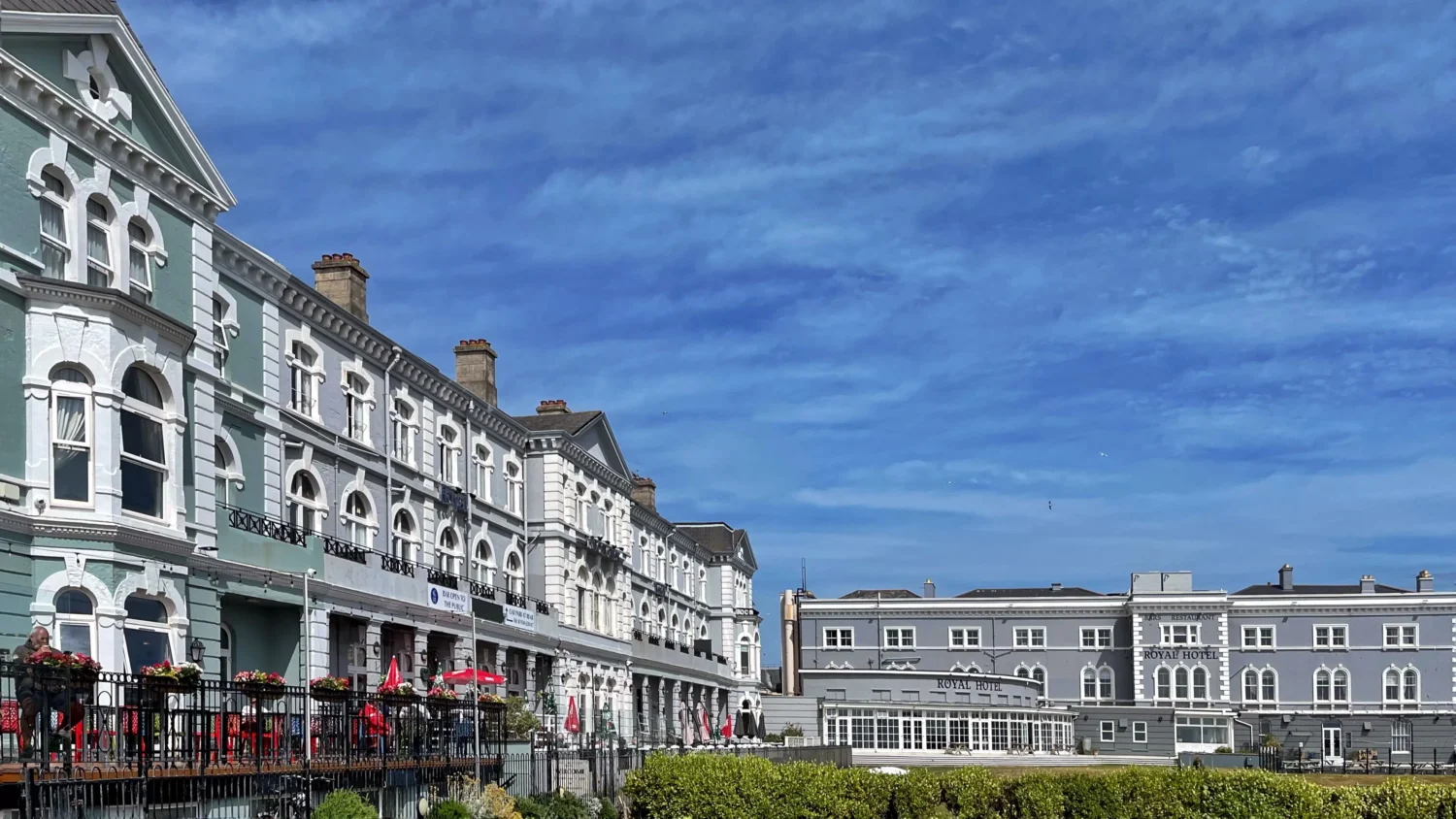
The middle of the country, and the widest range of anywhere on this page.
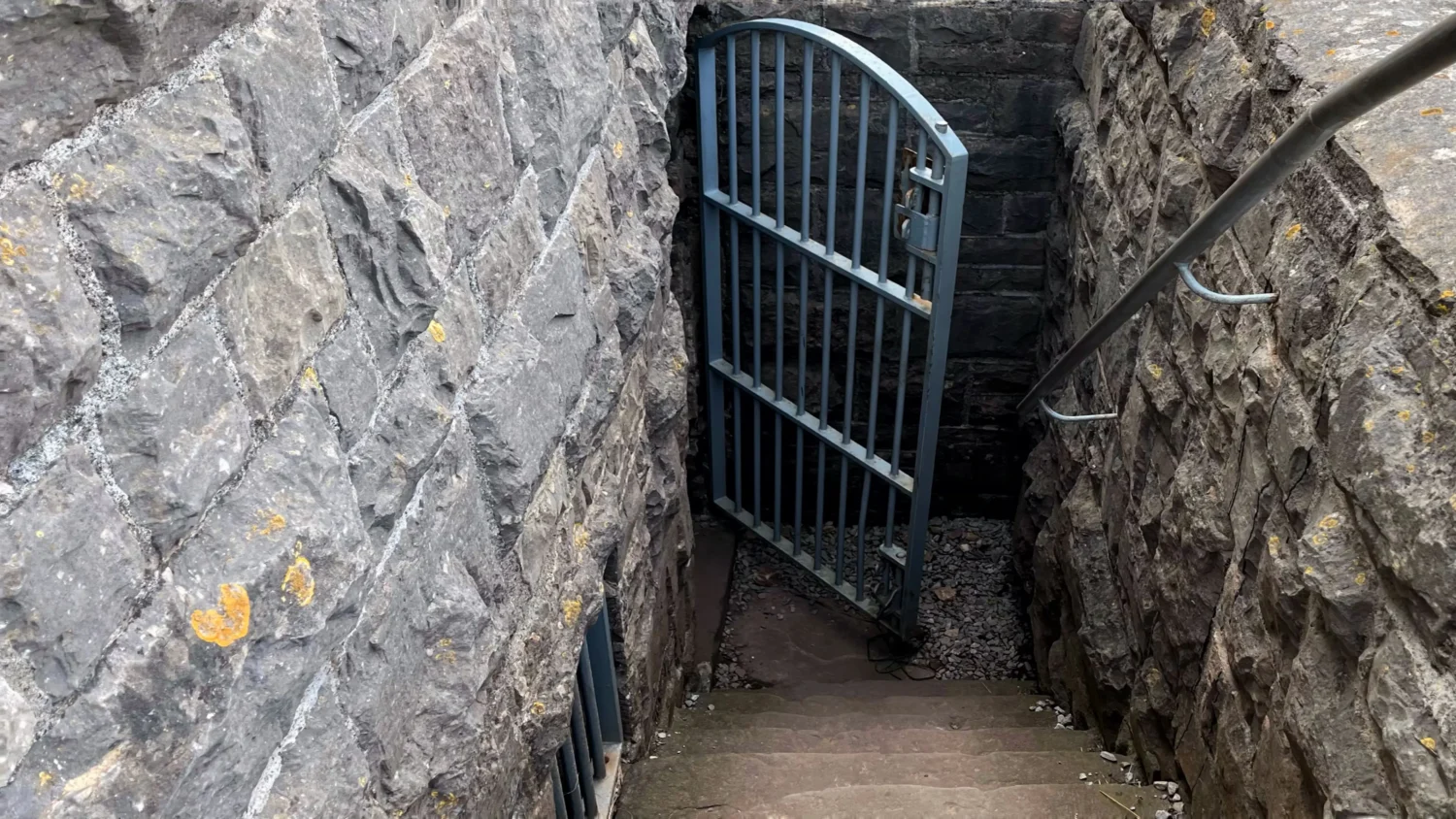
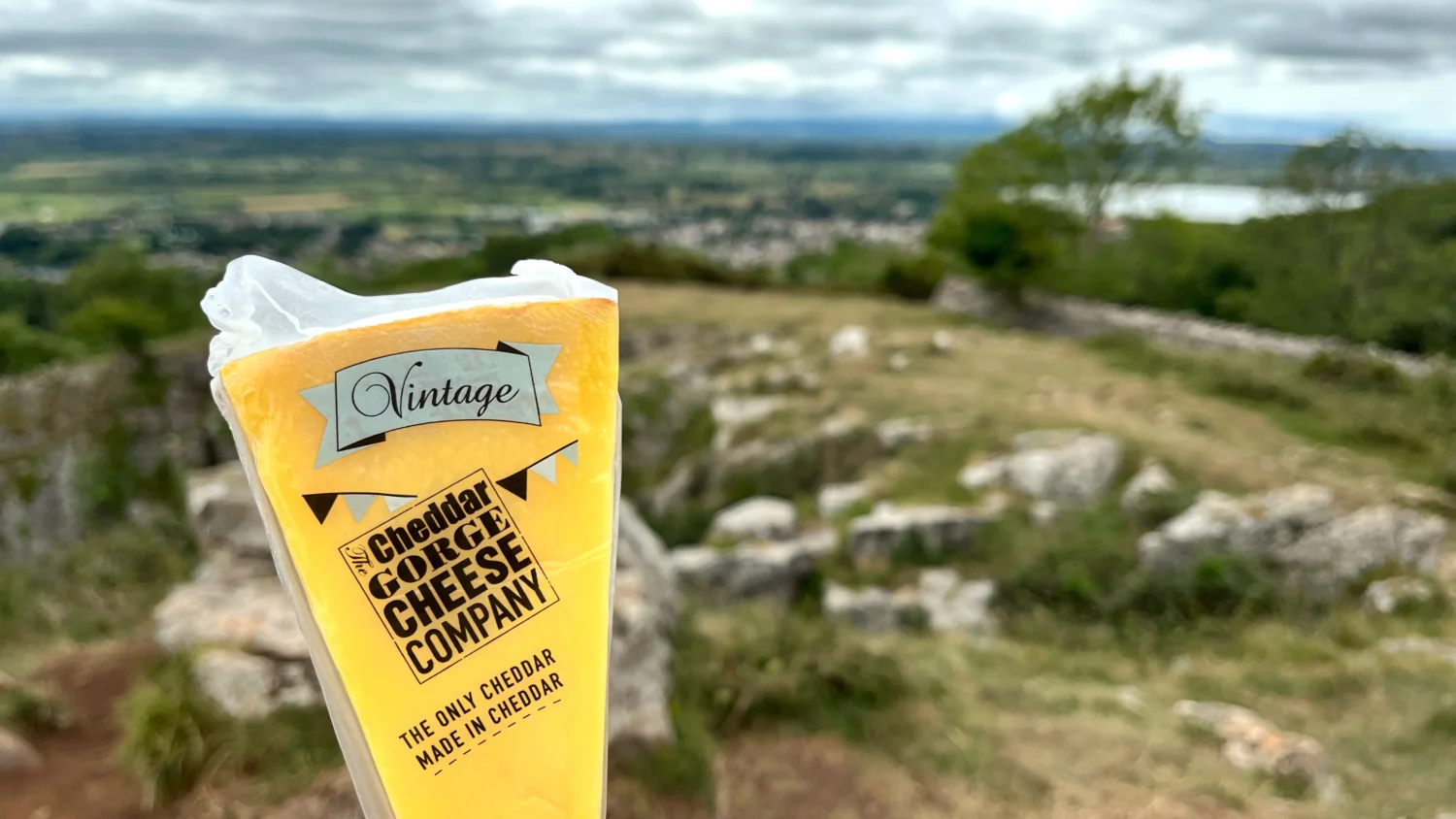
Honey-coloured villages across the Cotswolds, Shakespeare at Stratford, the colleges at Oxford — then the cities the Industrial Revolution built, with caves under one and Victorian docks in another.
TipThe Cotswold villages have almost no railway stations. This is the one part of England where hiring a car genuinely earns its keep.
Nottingham
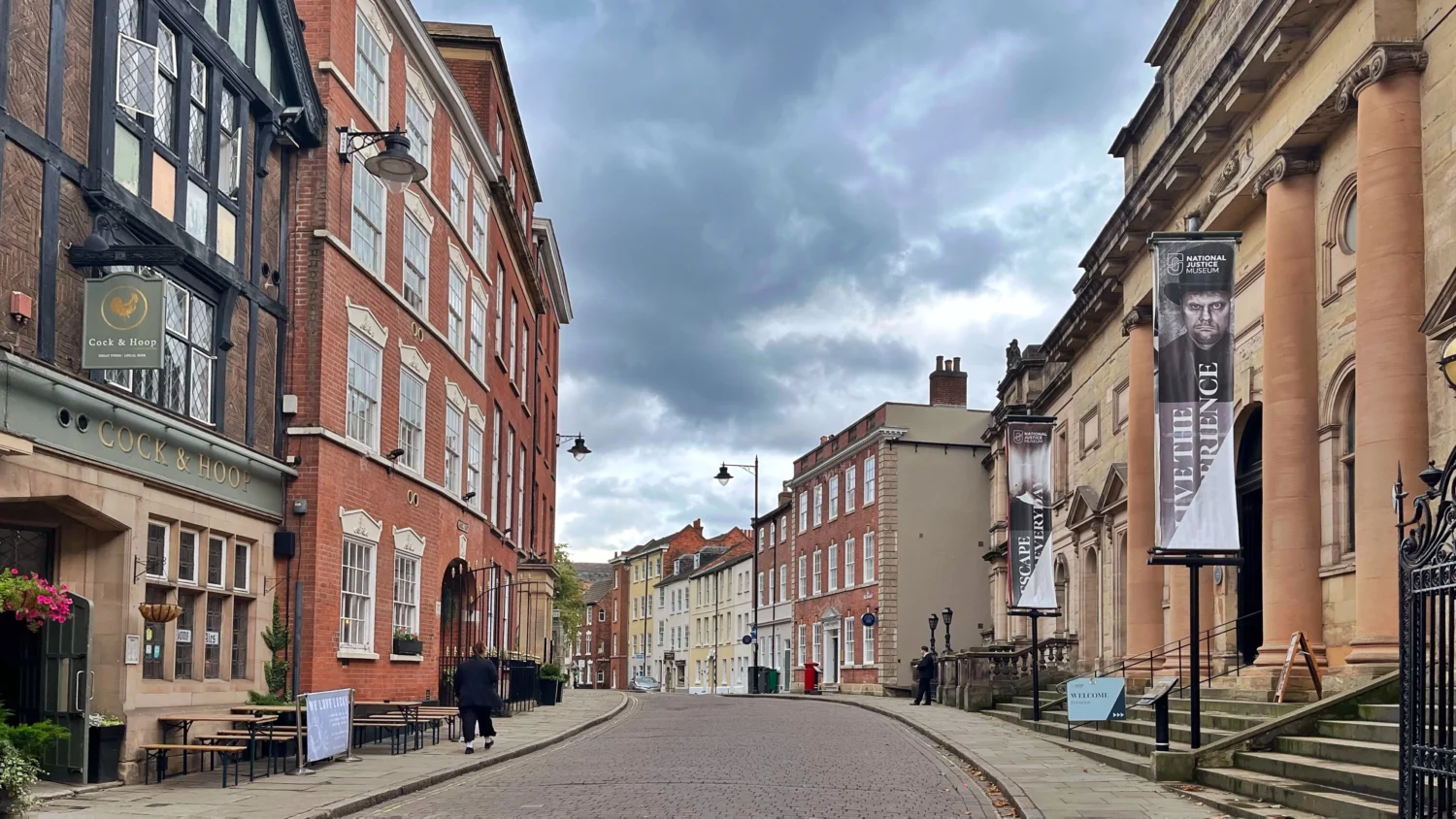
A weekend in Nottingham
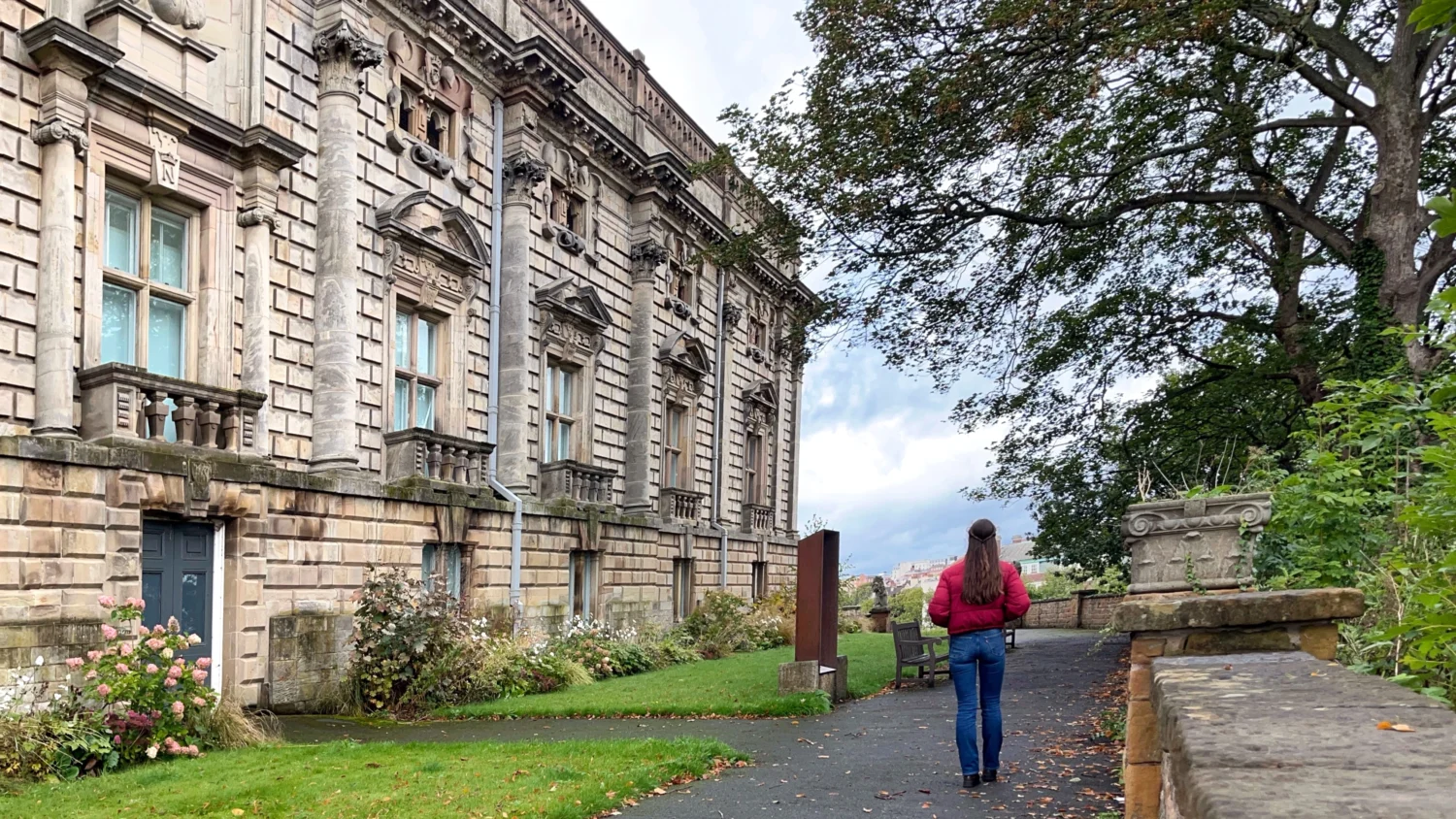
Nottingham
Is Nottingham worth visiting?
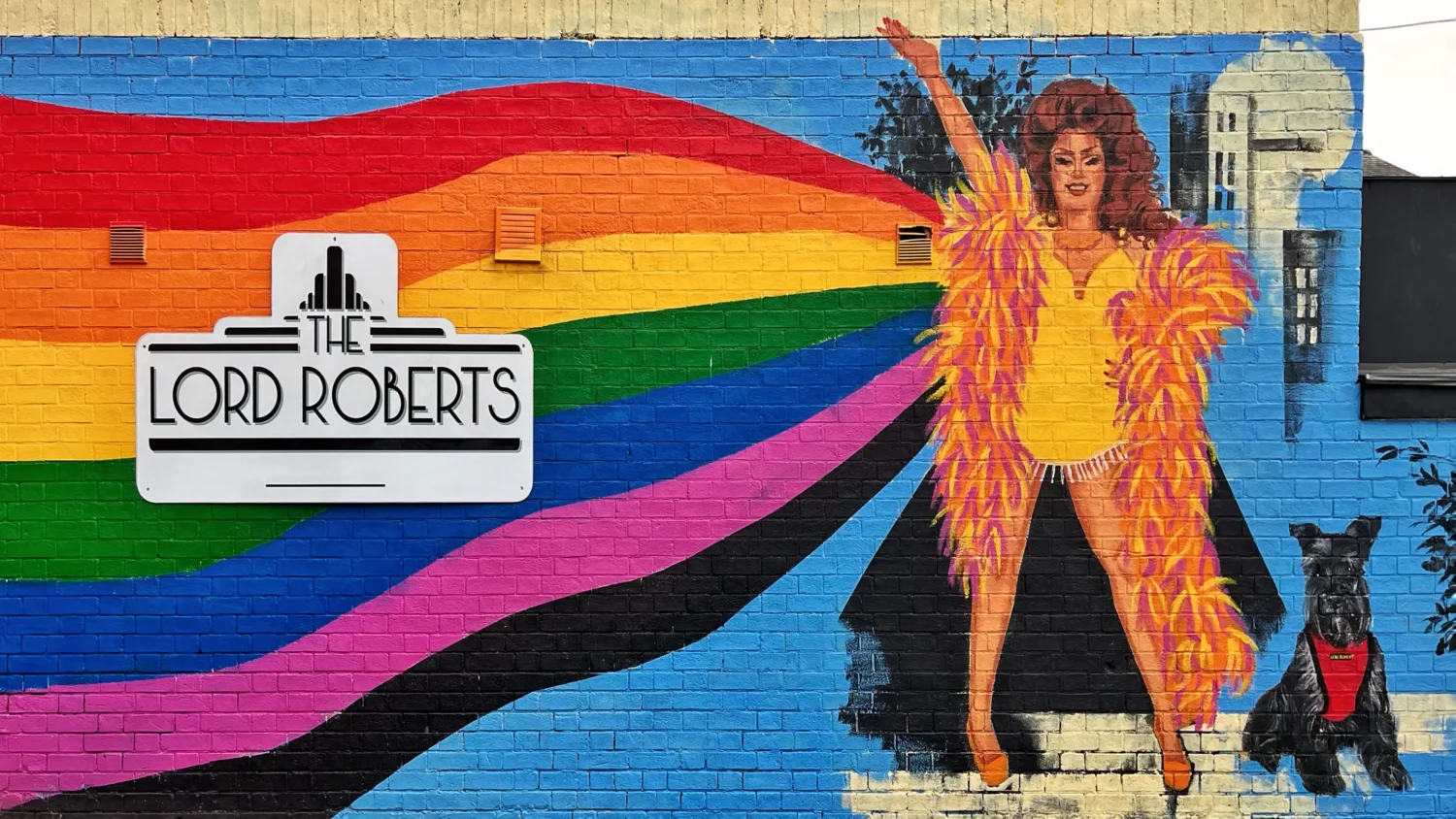
Nottingham
Six Nottingham hidden gems
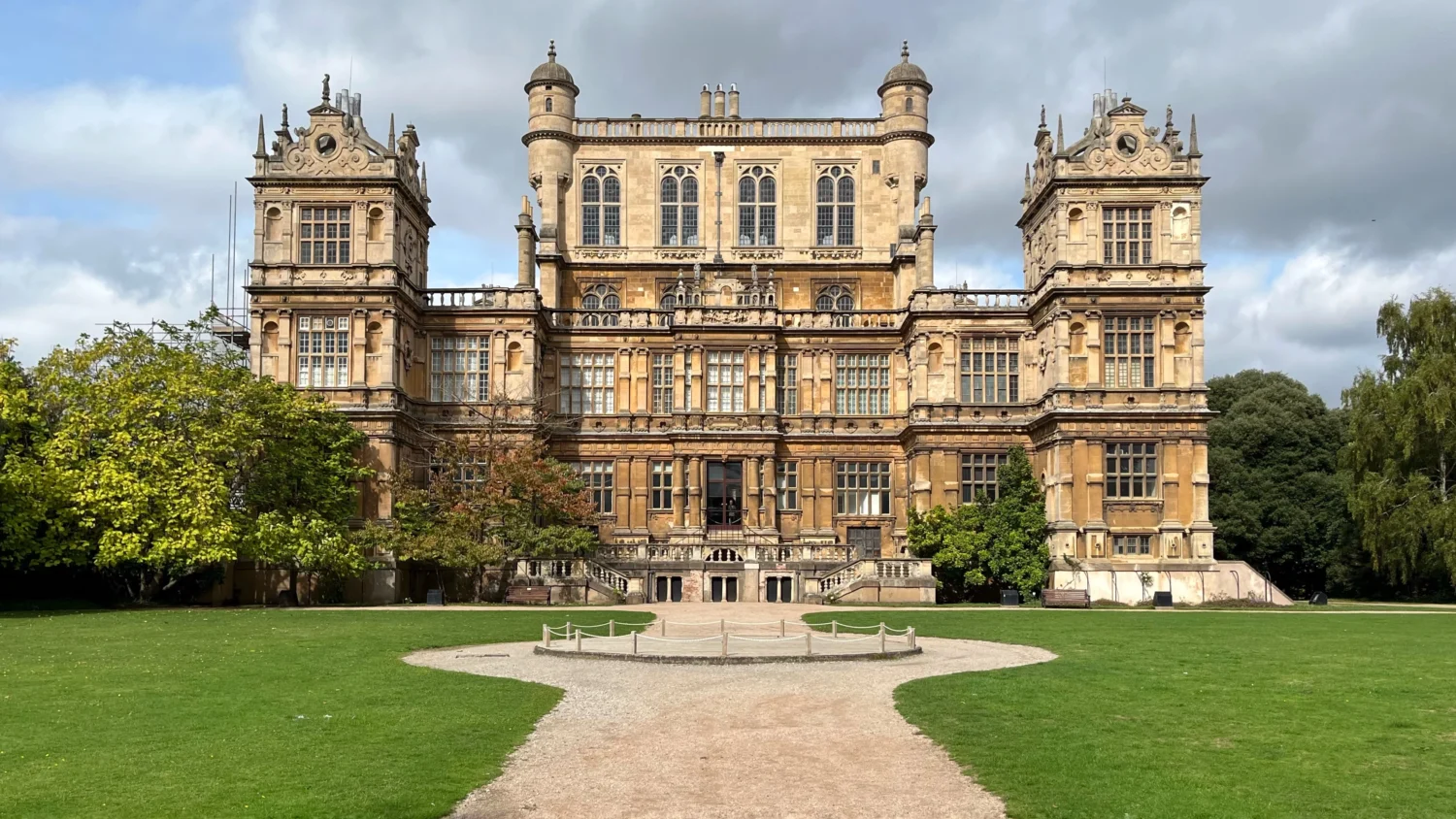
Nottingham
Top five museums in Nottingham
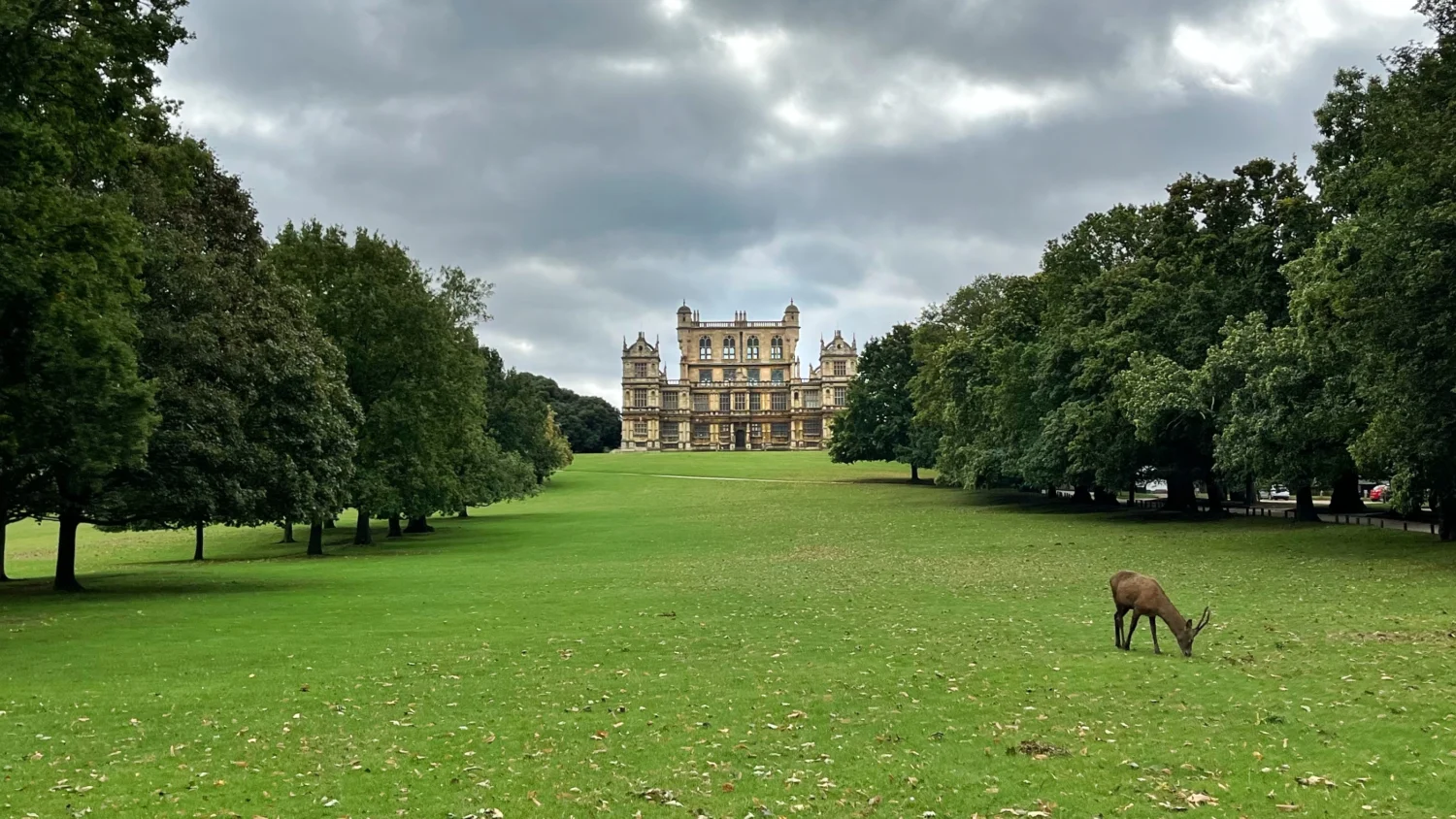
Nottingham
Top five parks in Nottingham
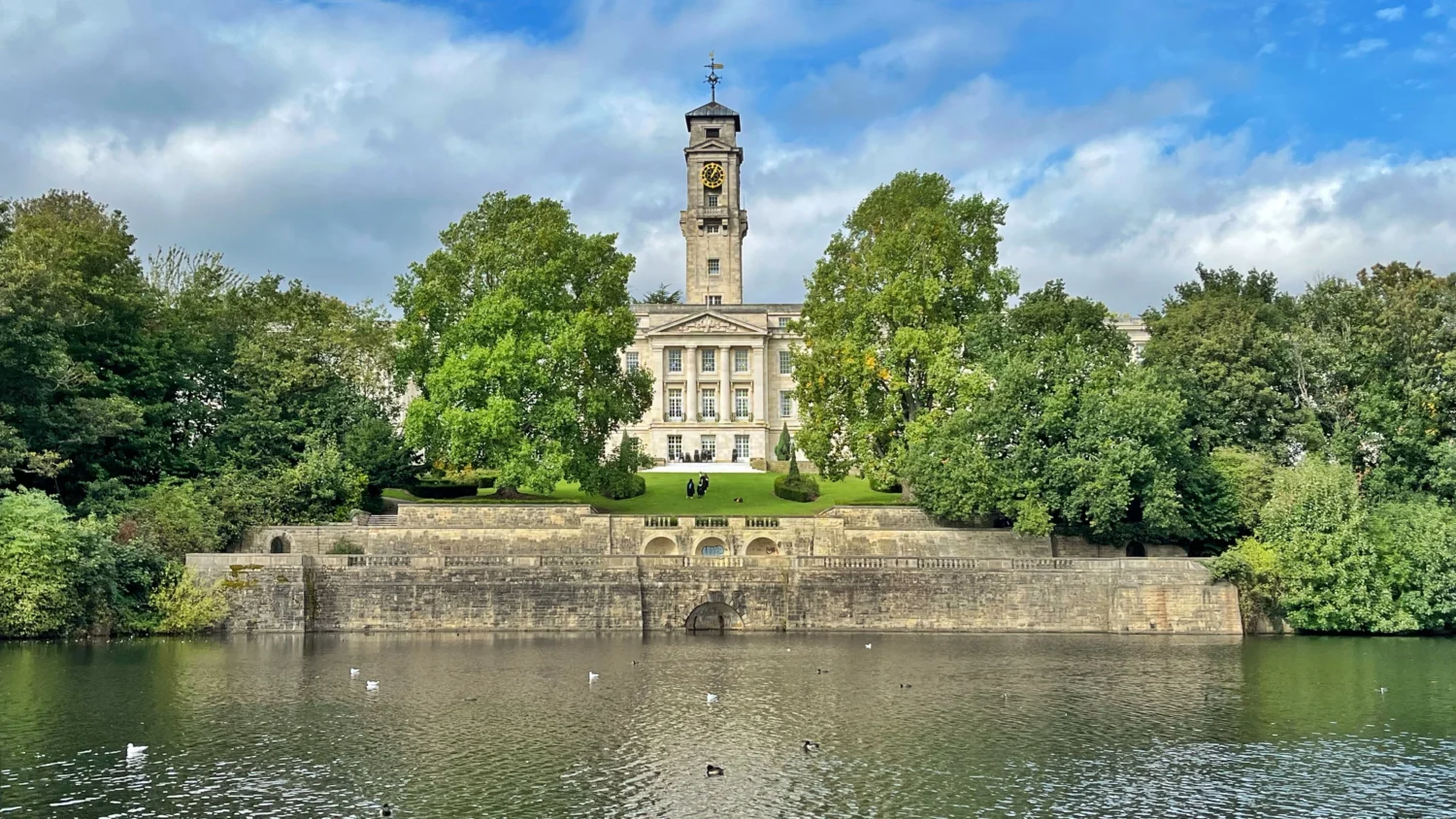
Nottingham
Five best walks in Nottingham
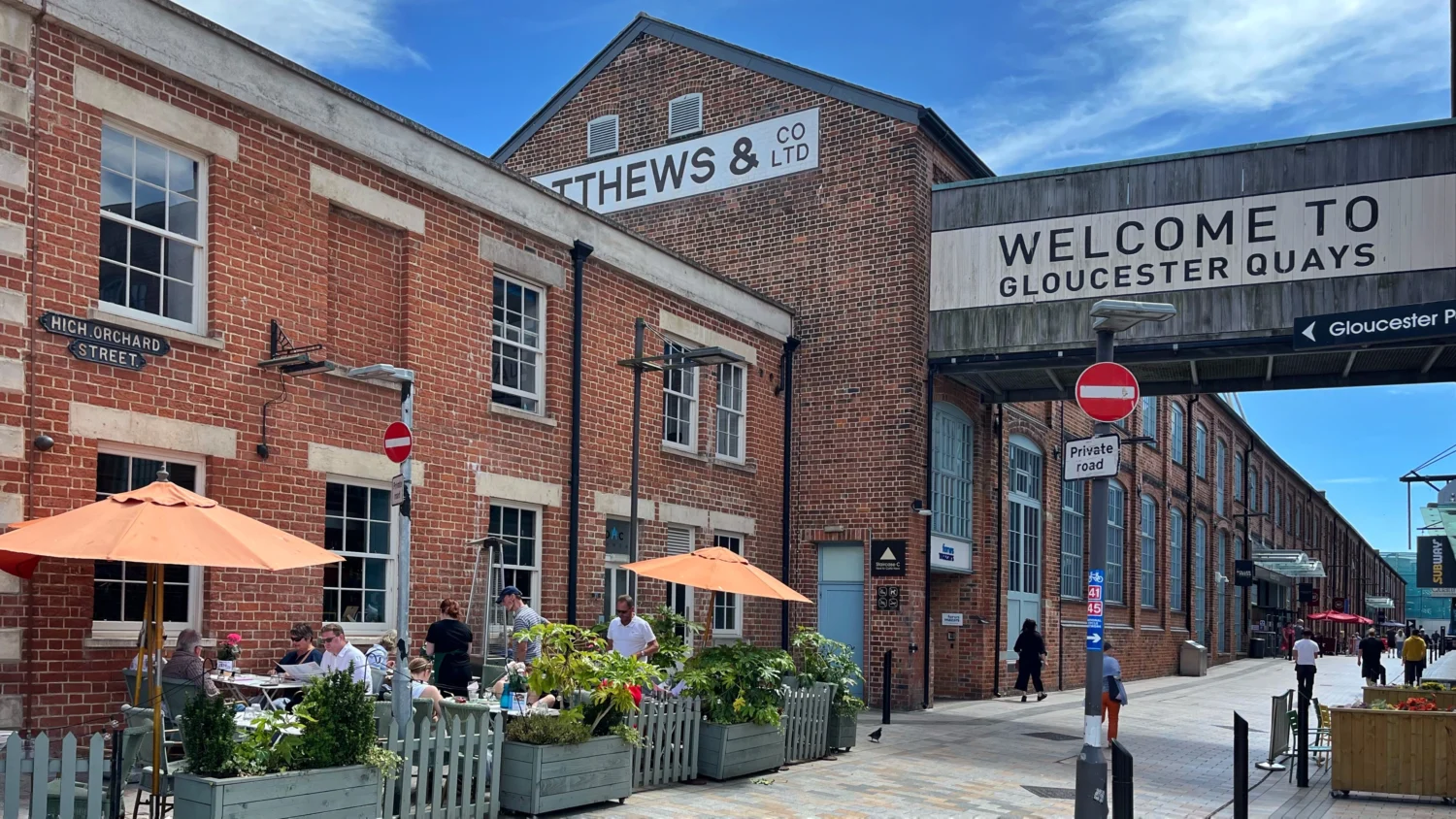
Gloucester
Is Gloucester worth visiting?
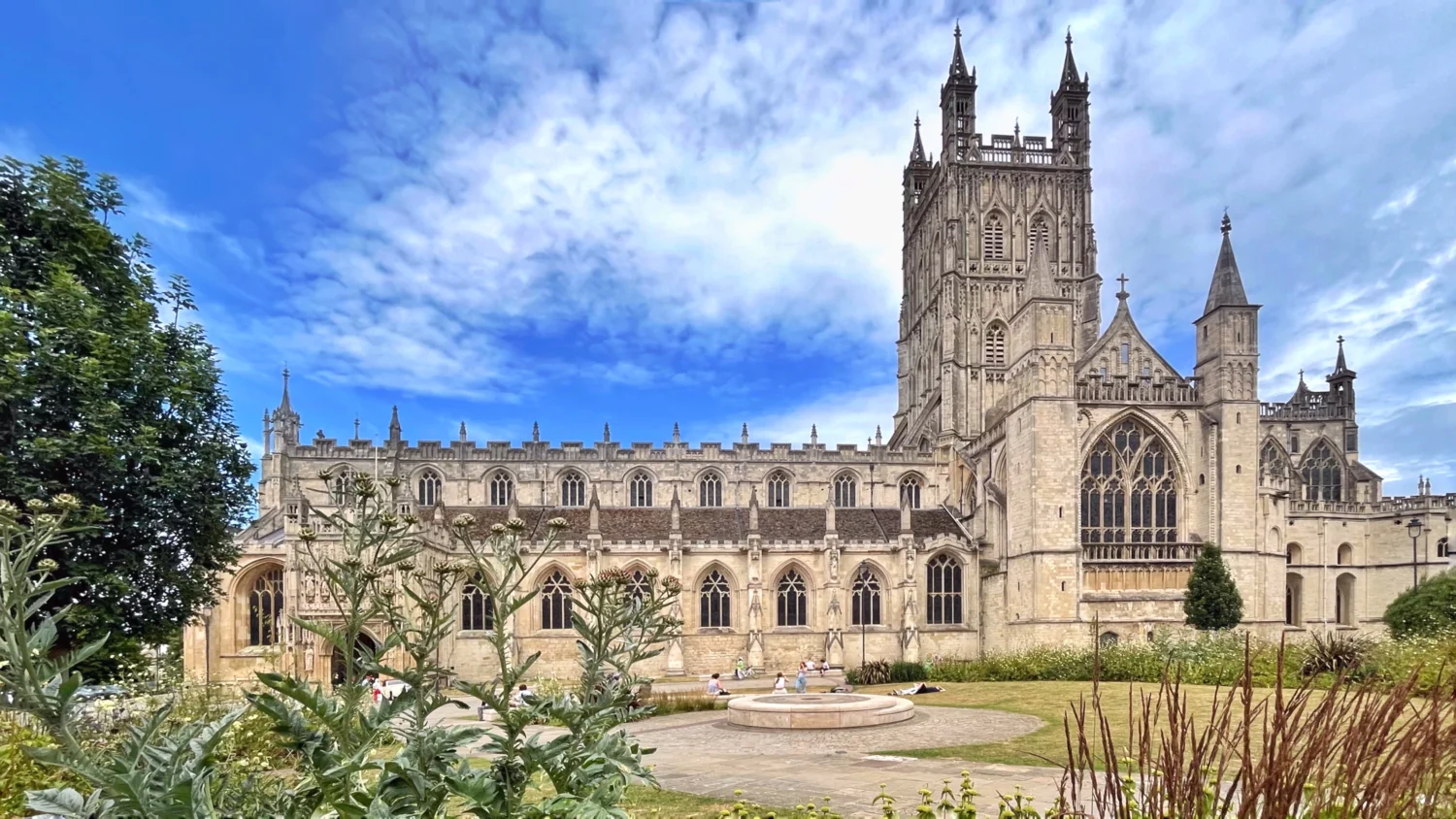
Gloucester
Five free things to do in Gloucester
East Anglia
The flat, wide-skied east, and the quietest corner of the country.
Cambridge’s colleges and punts, the Norfolk Broads, pastel villages in Suffolk, and a coast of shingle, seals and enormous sky.
TipCambridge is an hour from London by train and small enough to see properly on foot in a single day.
Nothing written up here yet
The North West
Two very different cities under an hour apart, a Roman one between them, and a run of beaches within half an hour of Liverpool.
An hour further north is the Lake District: England’s highest ground and deepest water. I lived on Merseyside, so this is the part I know down to the bus timetables.
TipStay in one city and day-trip to the other. Liverpool and Manchester are close enough to do that, and different enough that it is worth doing.
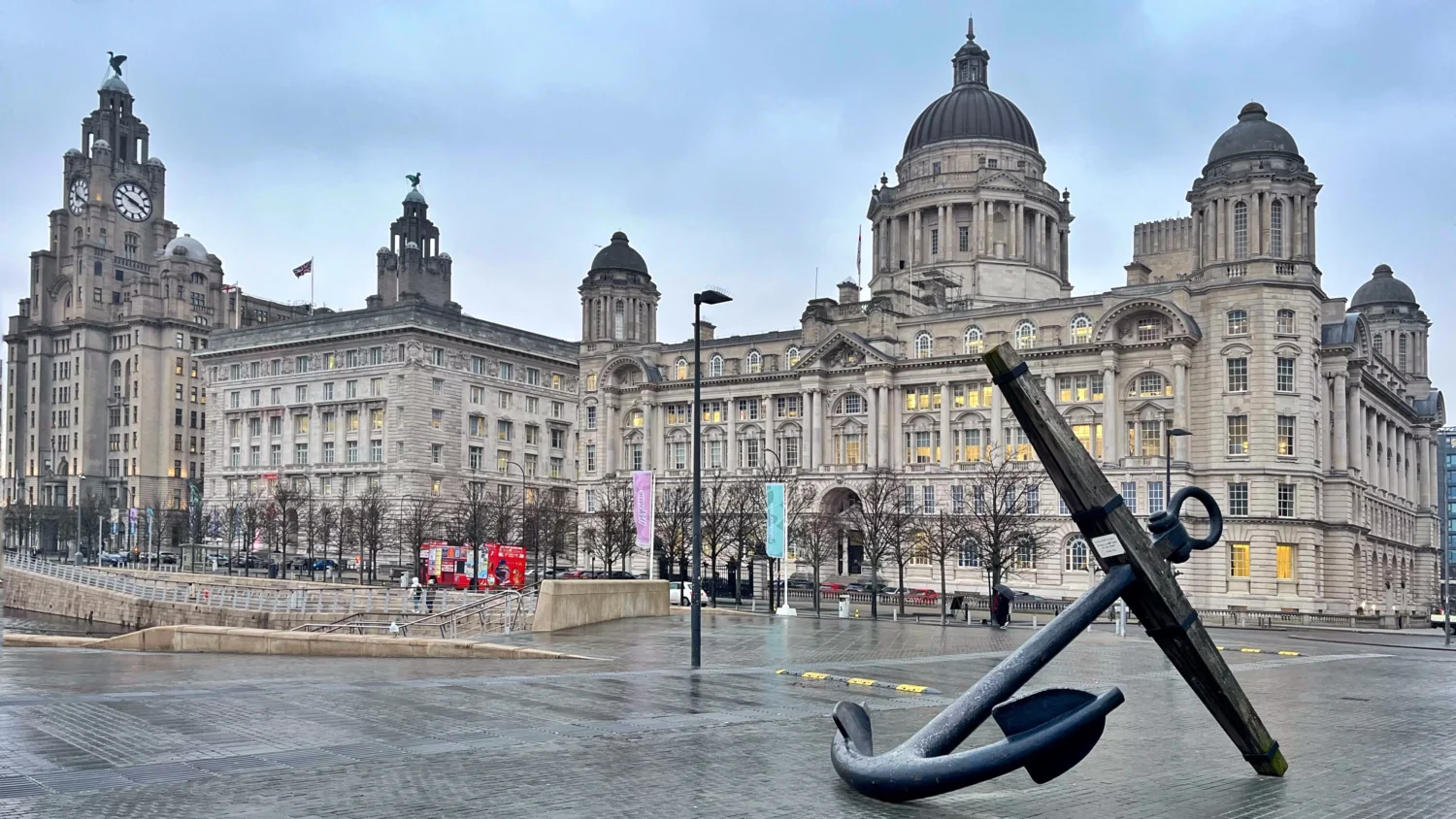
Liverpool
Best views in Liverpool
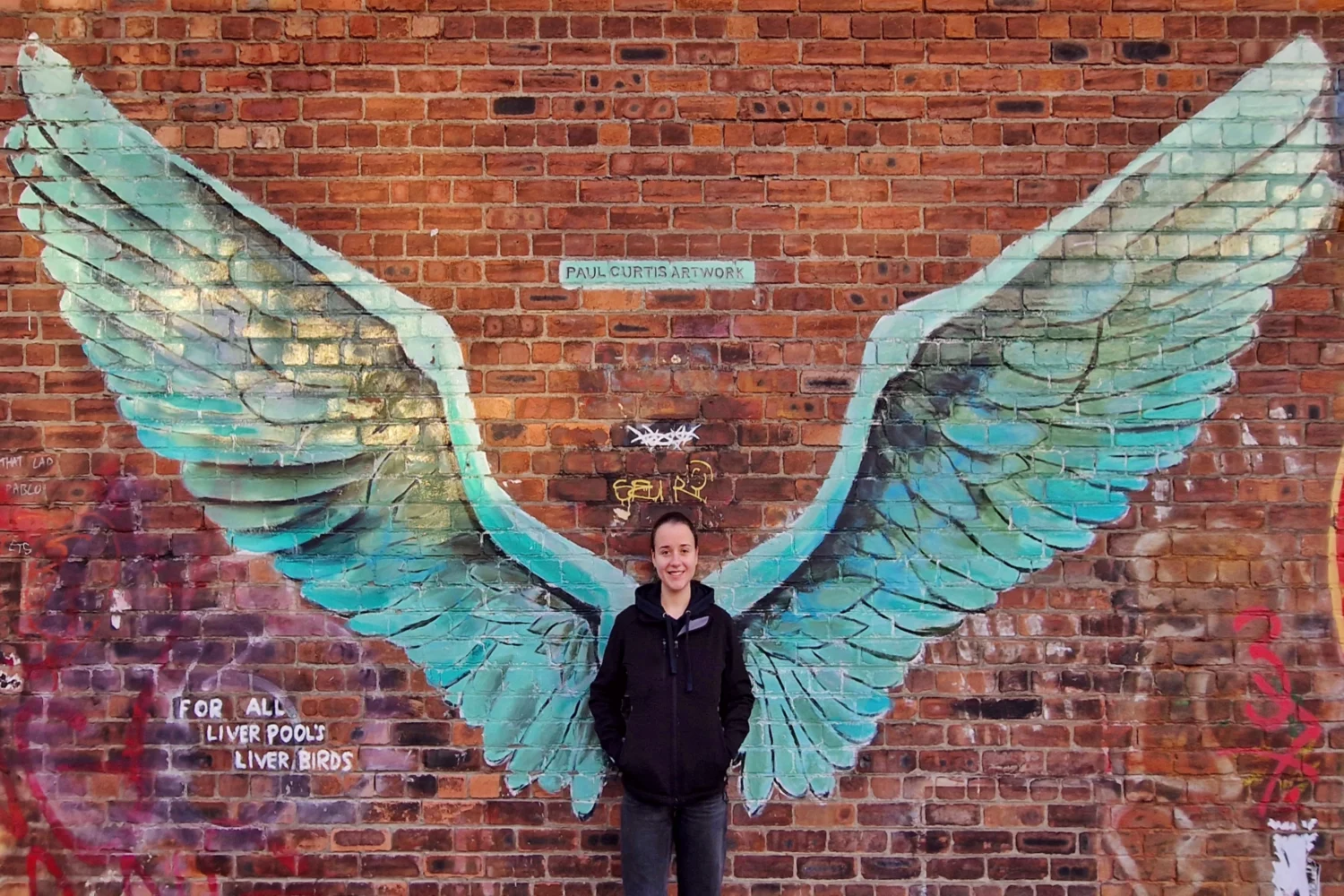
Liverpool
Liverpool street art, on foot
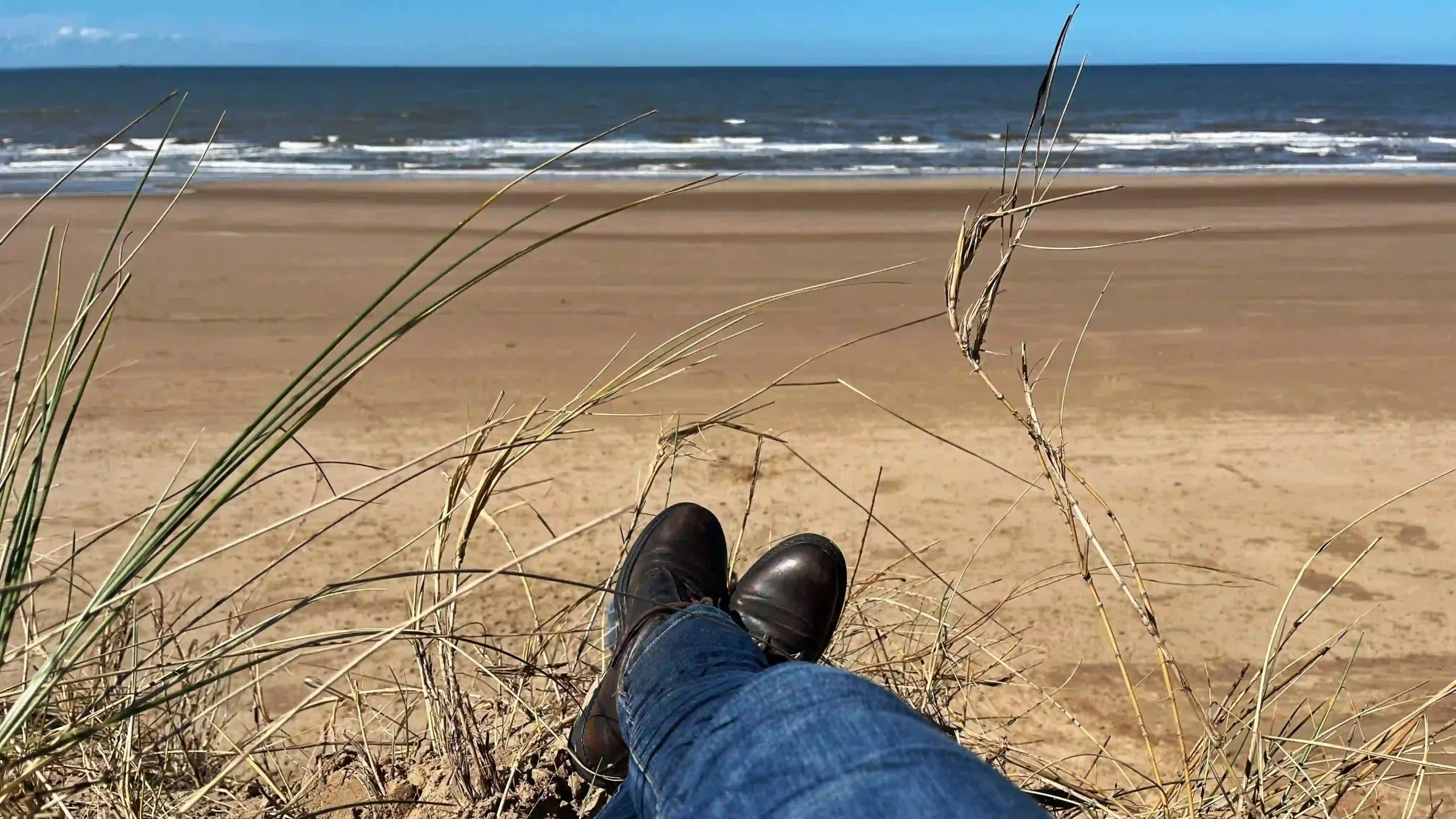
Liverpool
Five beaches near Liverpool
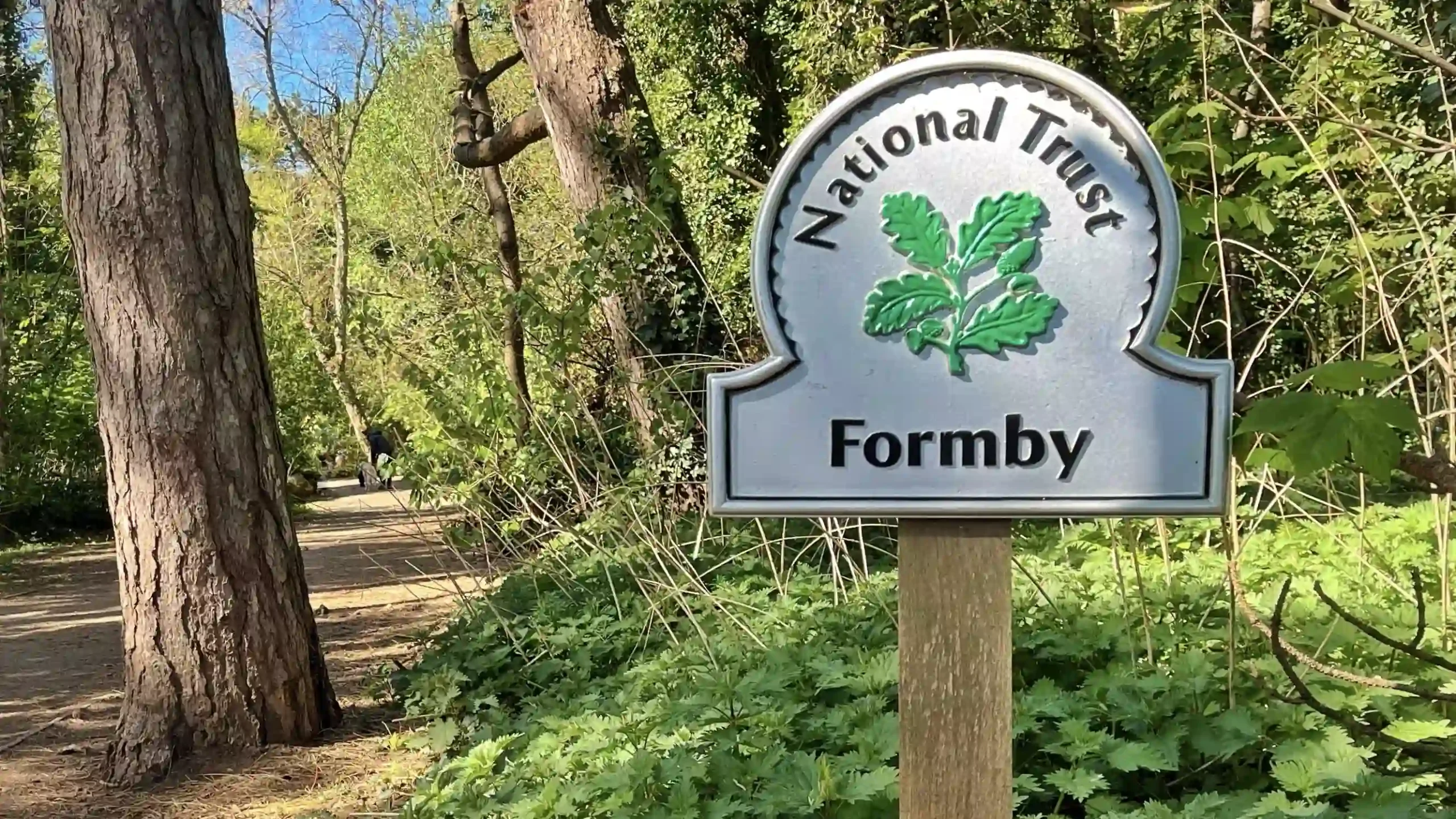
Liverpool
Seven best parks in Liverpool

Liverpool
The best scouse in Liverpool
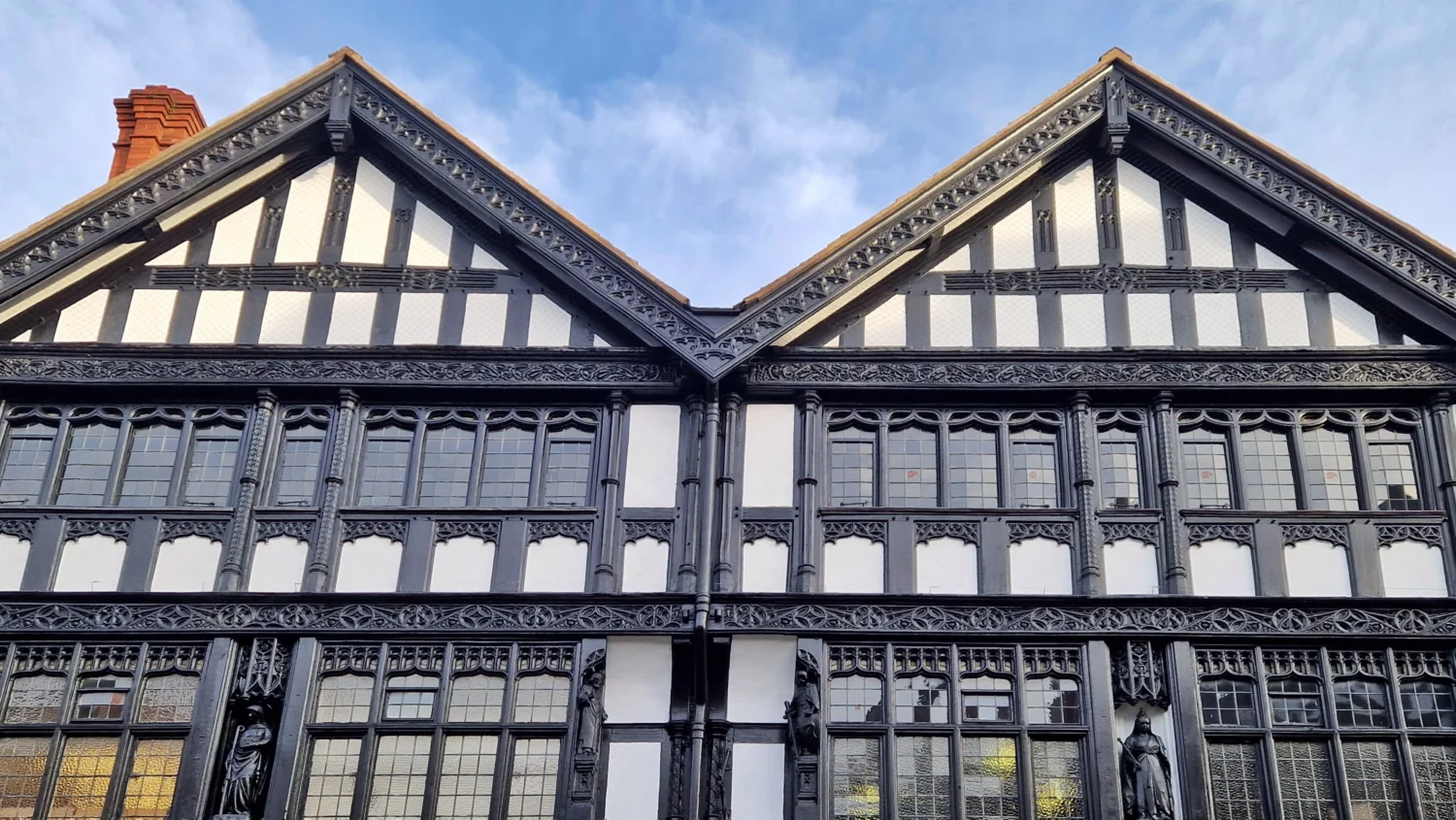
Liverpool
10 day trips without a car
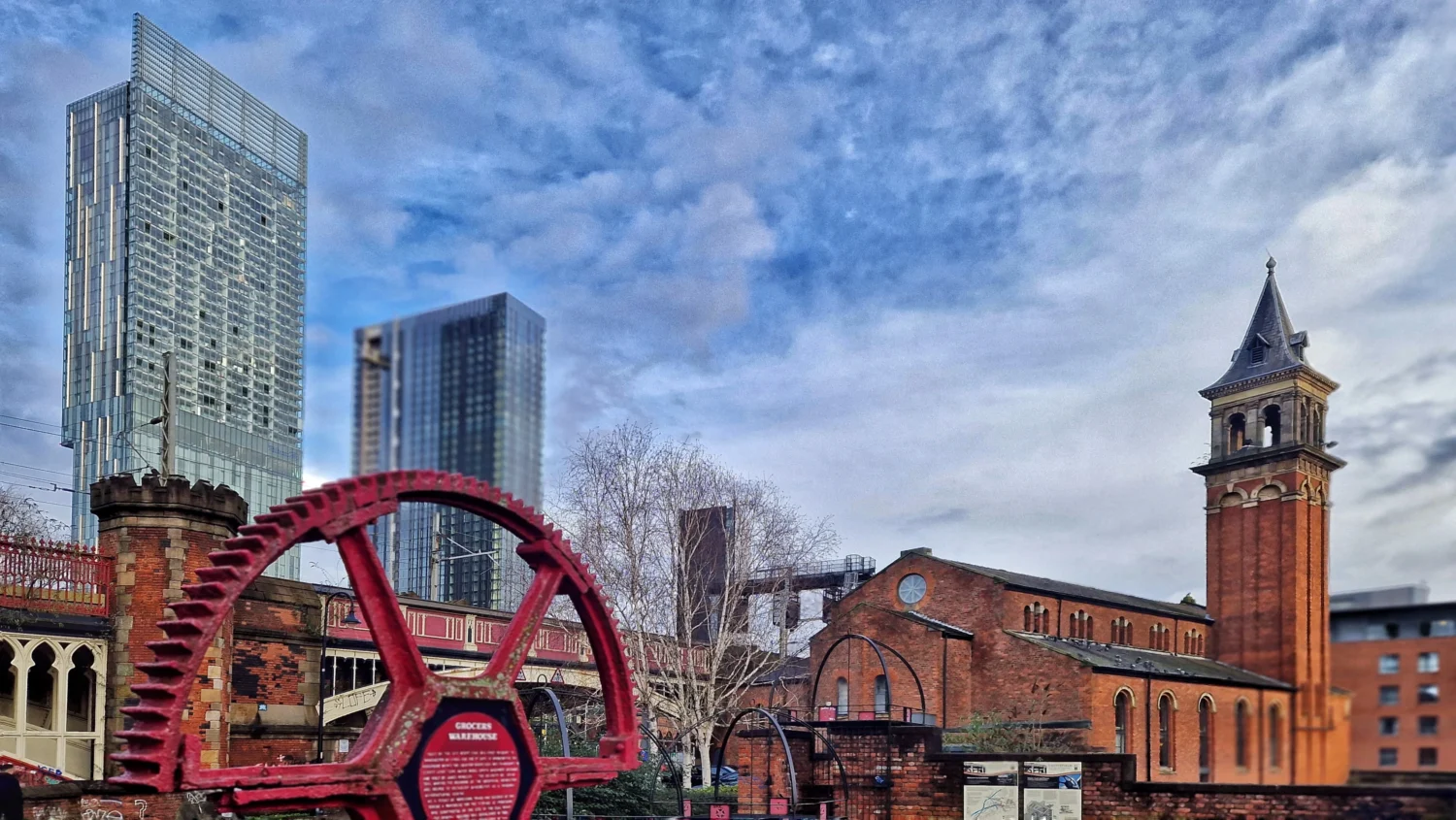
Manchester
Manchester street art, on foot
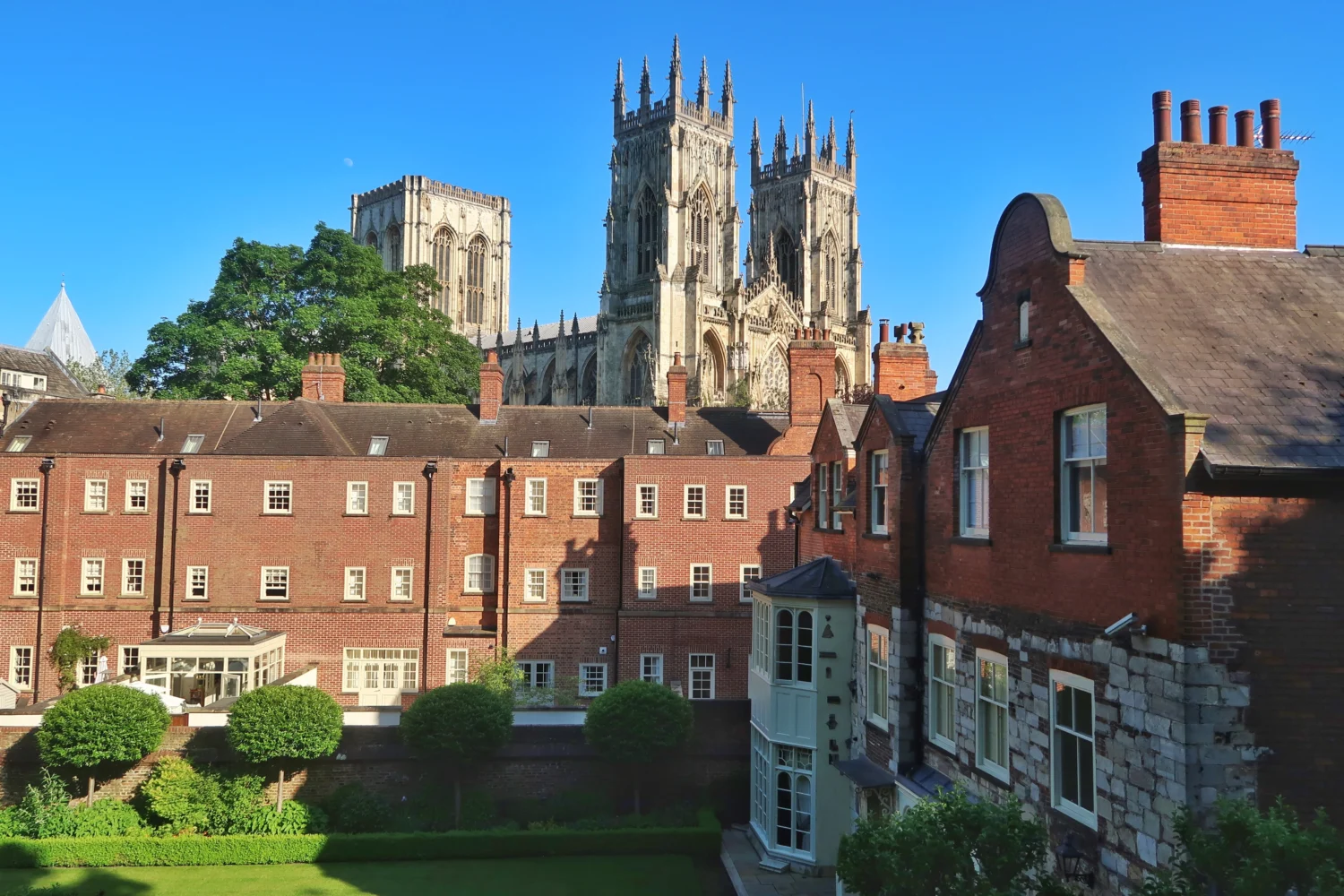
Manchester
Seven day trips without a car
Chester
12 things to do in Chester
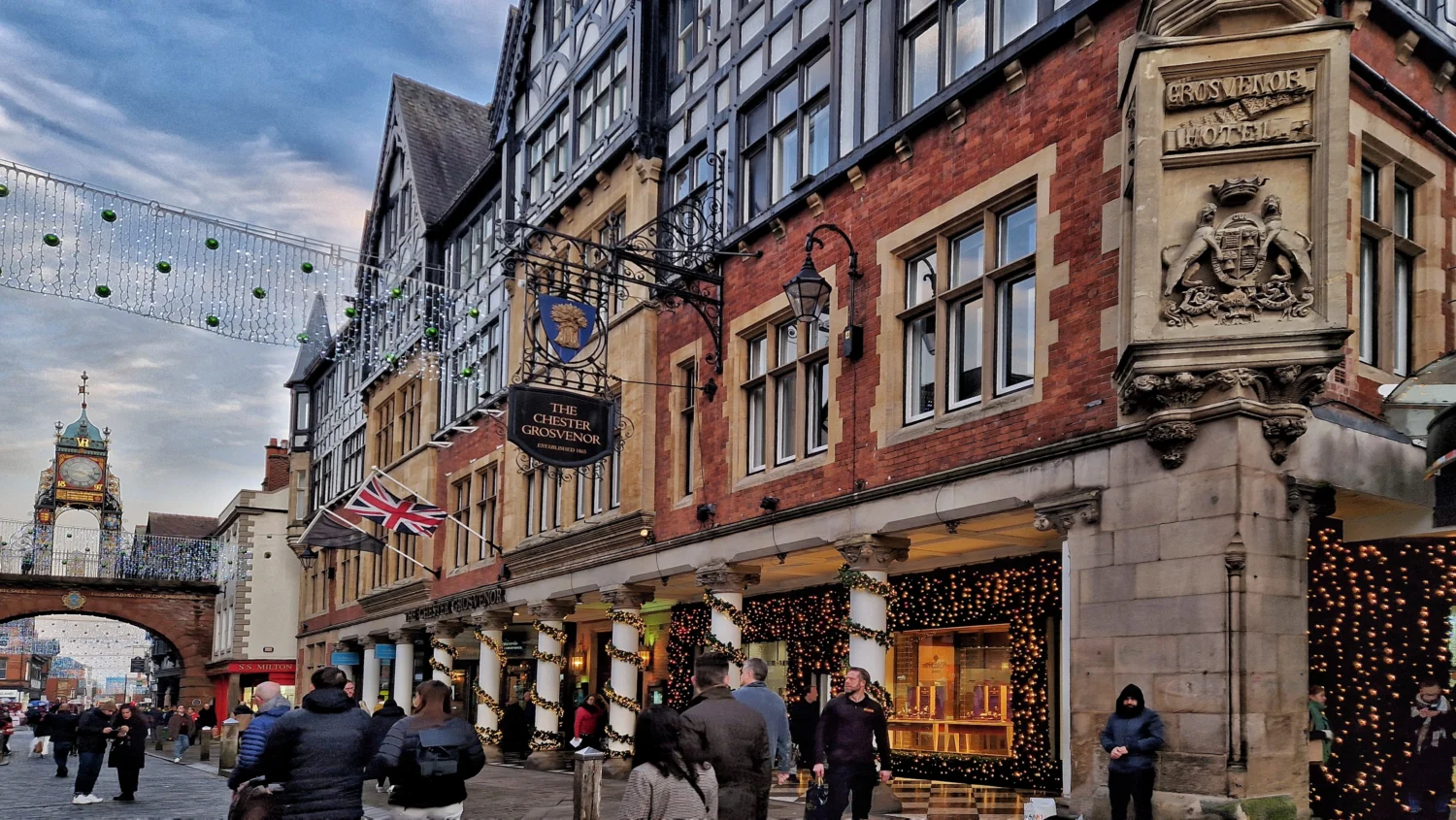
Chester
Is Chester worth visiting?
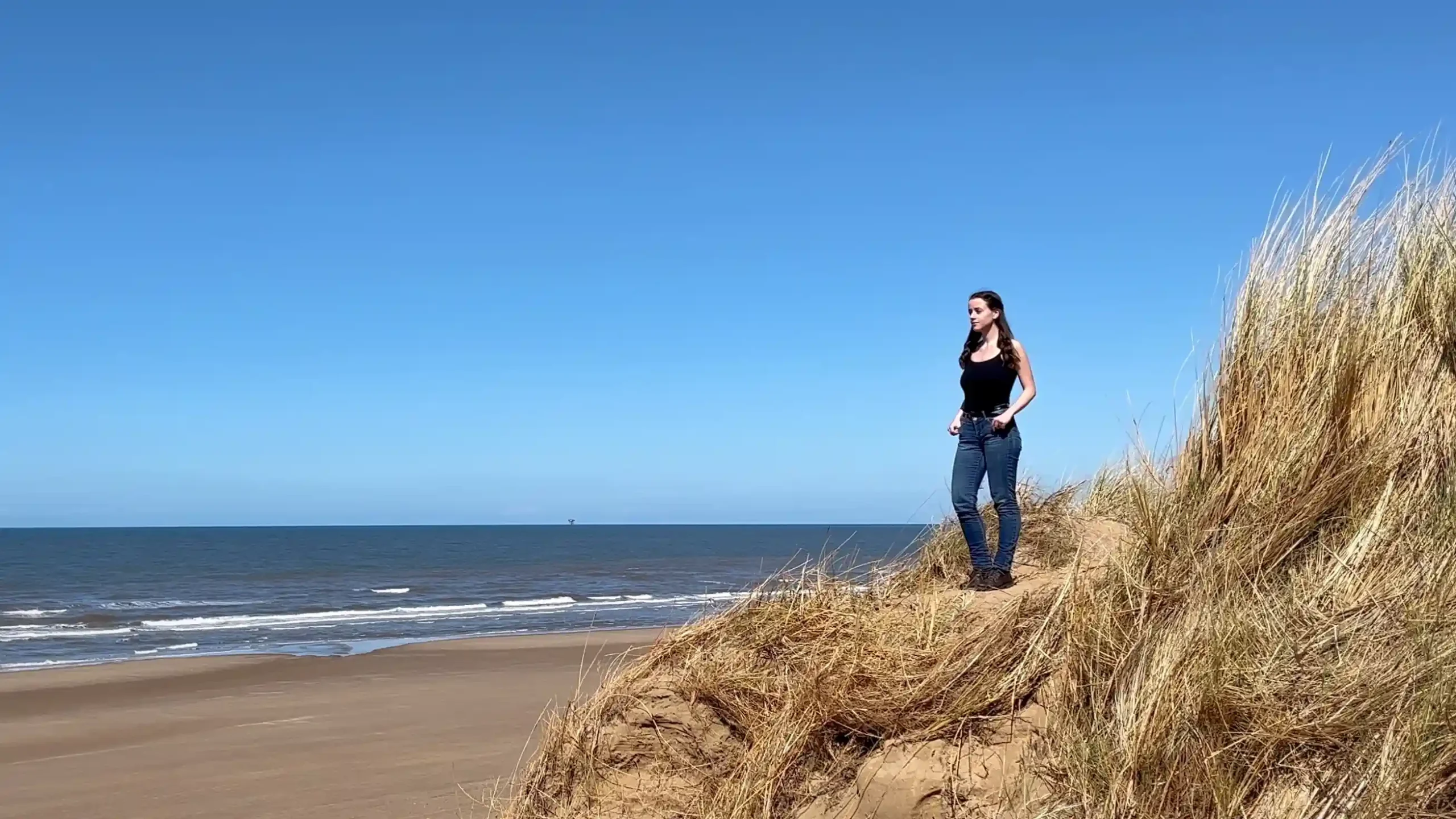
Formby
Formby Beach: pine woods to dunes
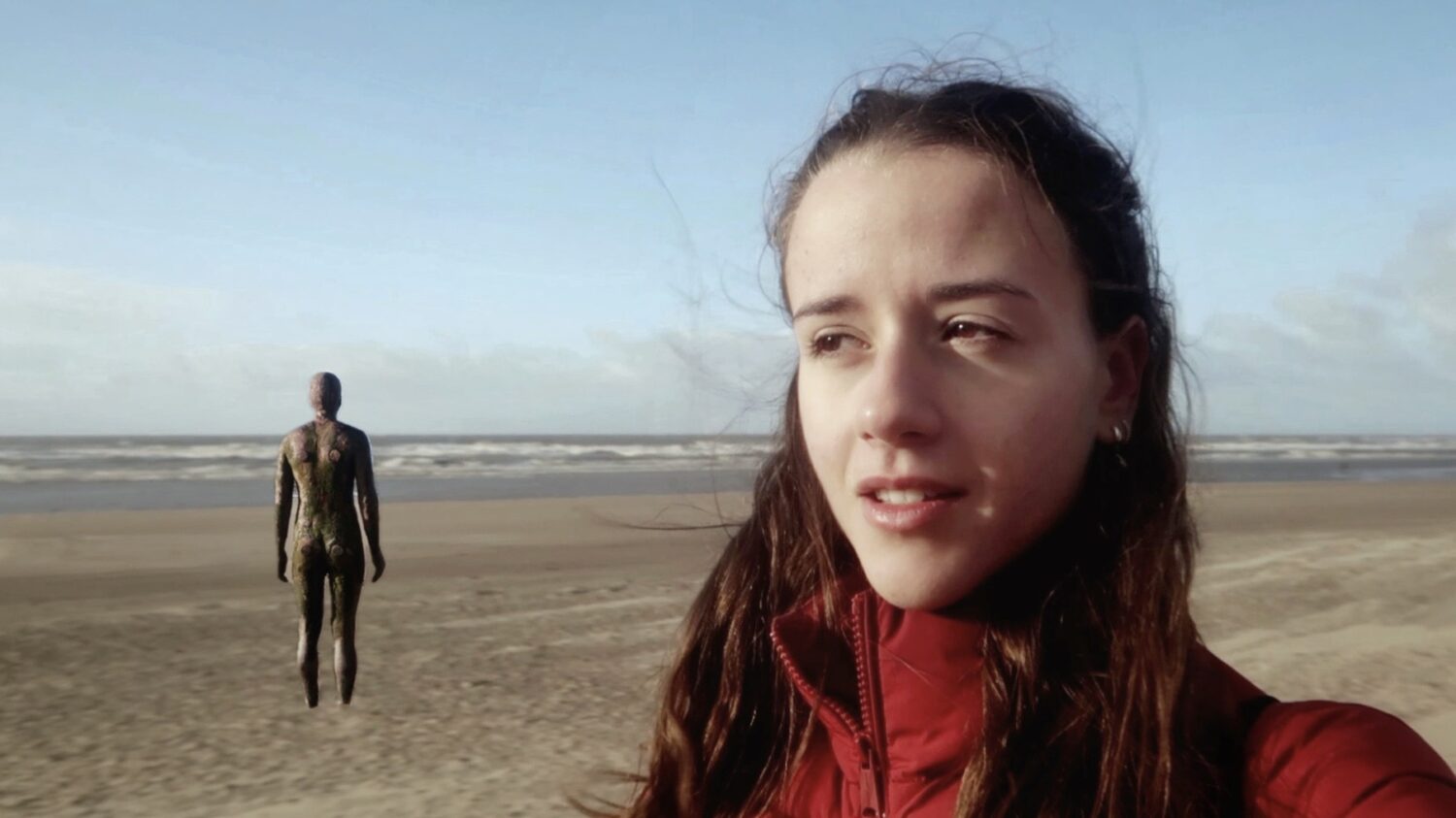
Crosby
Crosby Beach and its 100 iron men
Yorkshire and the North East
York inside its medieval walls, with the Dales on one side and the Moors on the other.
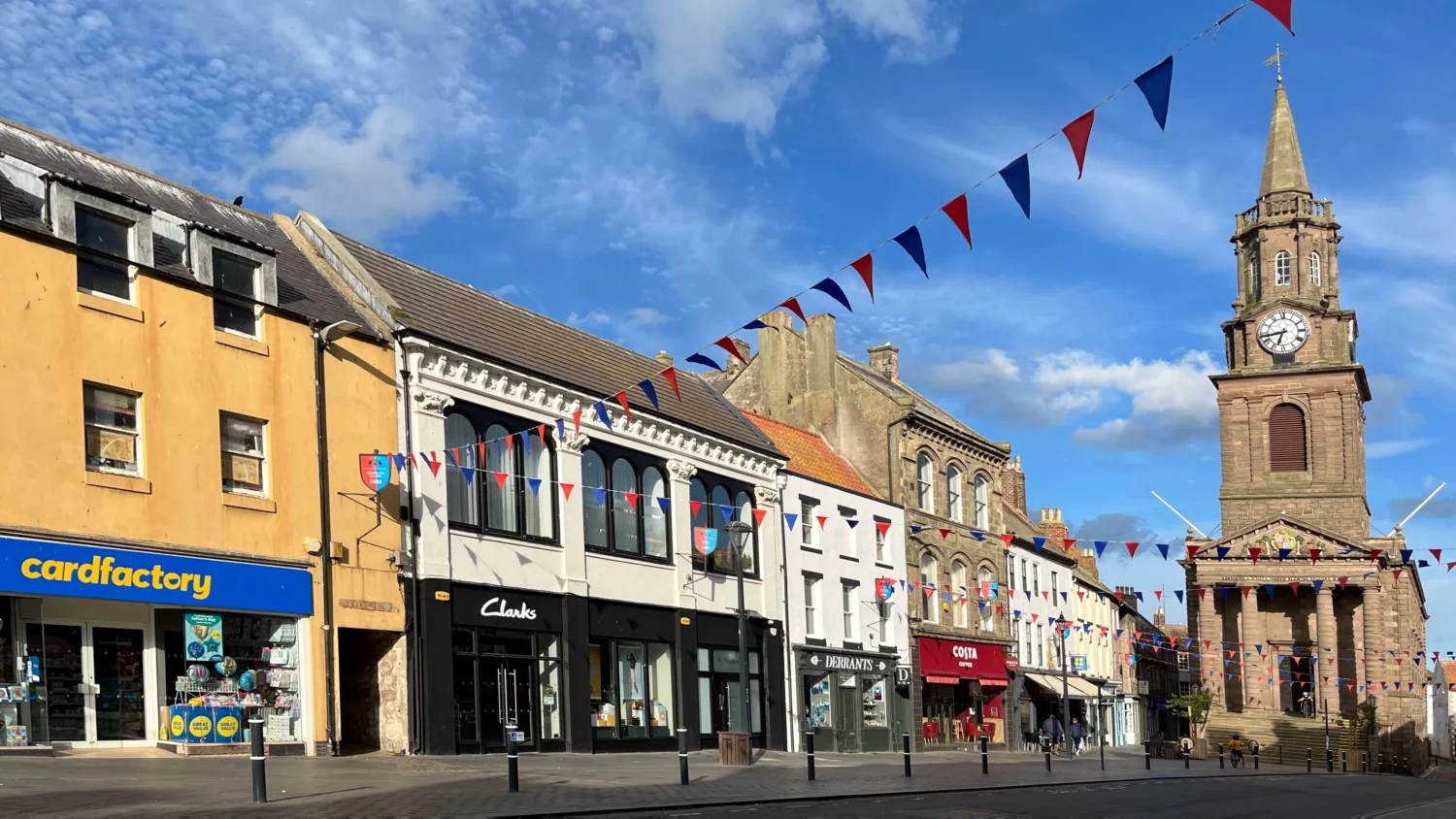
Keep going north and you reach Northumberland: castles on empty beaches, Hadrian’s Wall across the neck of the country, and Berwick-upon-Tweed sitting right on the Scottish border.
TipYork fills up. The walls and the Shambles are almost empty before nine in the morning and shoulder-to-shoulder by noon.
A note
This page is not the limit of the England I know. It is the part of it I have written up, and it grows every month.
If there is somewhere you want to hear about next, tell me and I will write it.
Ever Tell me where to go next