
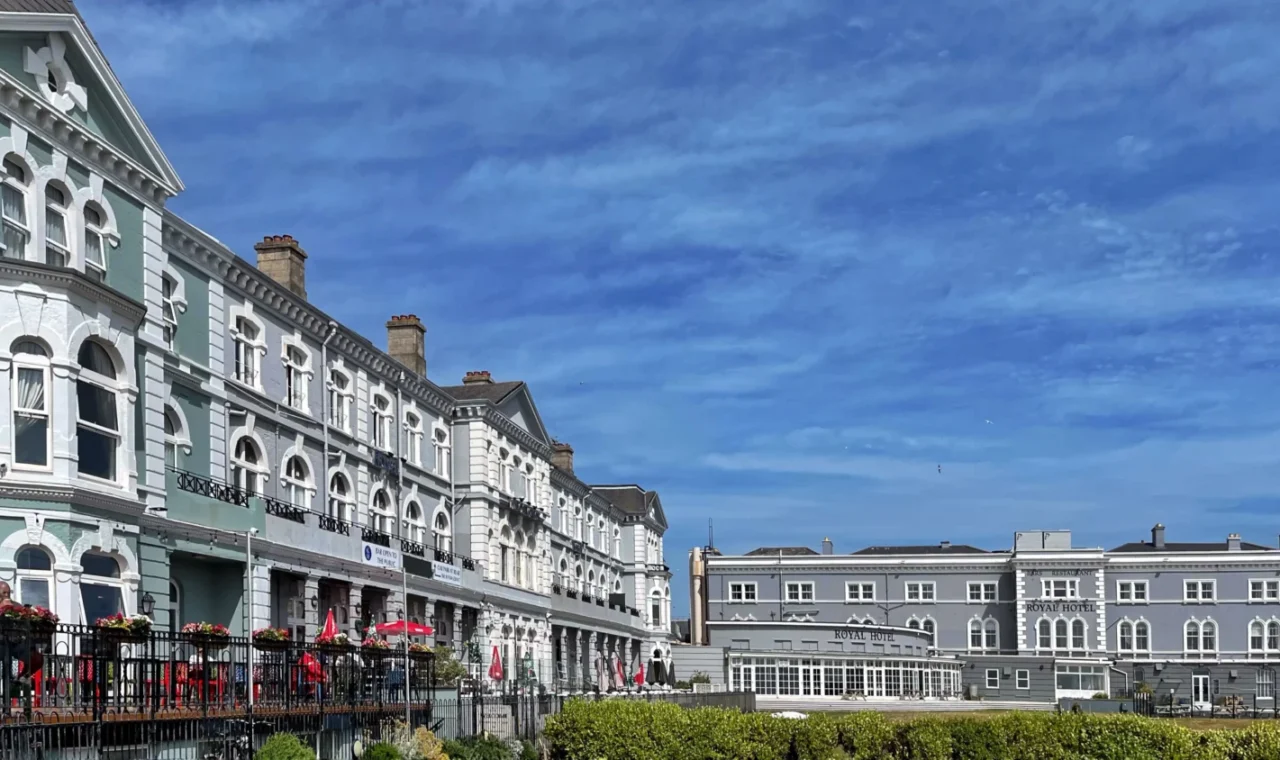
I’ll admit it, Weston-super-Mare wasn’t on my radar for years. It’s not the Cotswolds, it’s not Cornwall, and it doesn’t show up on the glossy “Best of England” lists. But that’s exactly why I loved it. This is the seaside town that generations of British families actually grew up going to, with donkey rides, chip shops, and a pier lit up like a carnival, and it’s still doing all of that today, minus the crowds and price tags of the more famous coastal towns.
If you want the real, unfiltered British seaside experience (the kind with sand between your toes, a 100-year-old pier under your feet, and a Victorian fort at the end of a clifftop walk), Weston-super-Mare delivers.
Here’s 10 reasons why Weston is worth the trip!

Table of Contents
How to Get to Weston-super-Mare
10 Reasons to Visit Weston-super-Mare
Experience a Classic British Seaside Resort
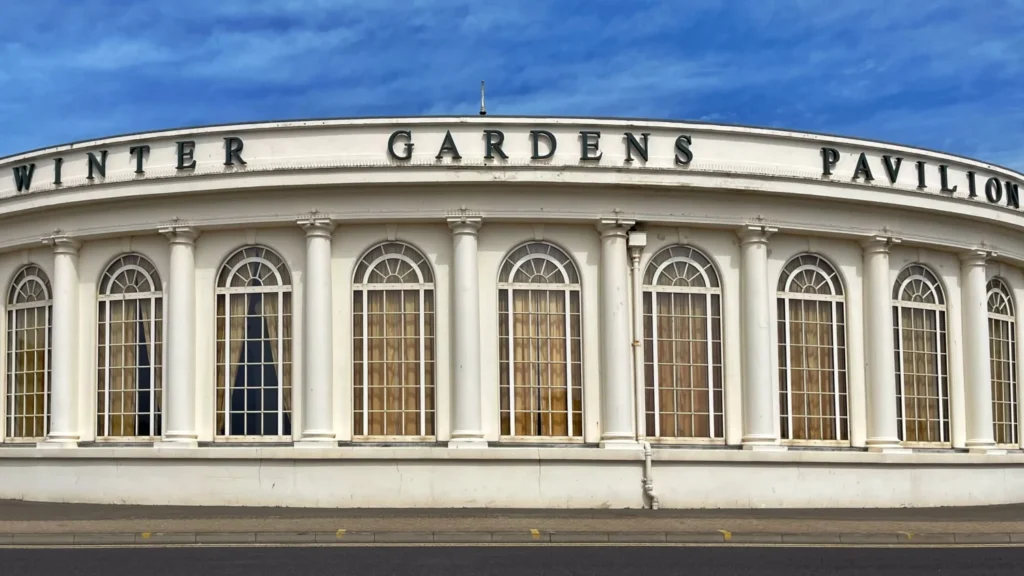
Weston is the seaside town your grandparents would recognize. Fish and chips on the seafront, a brass band somewhere in the distance, deckchairs lined up like they’re waiting for orders. It’s unpretentious in the best way.
This is a place built entirely around the idea of a day out — and it still delivers on that promise more than a century later.
Nothing is worse than landing somewhere new and searching for WiFi before you can even find your way. I recommend an eSIM so you can use maps and travel apps the moment you arrive.
Here is the eSIM I use →Walk the Famous Grand Pier
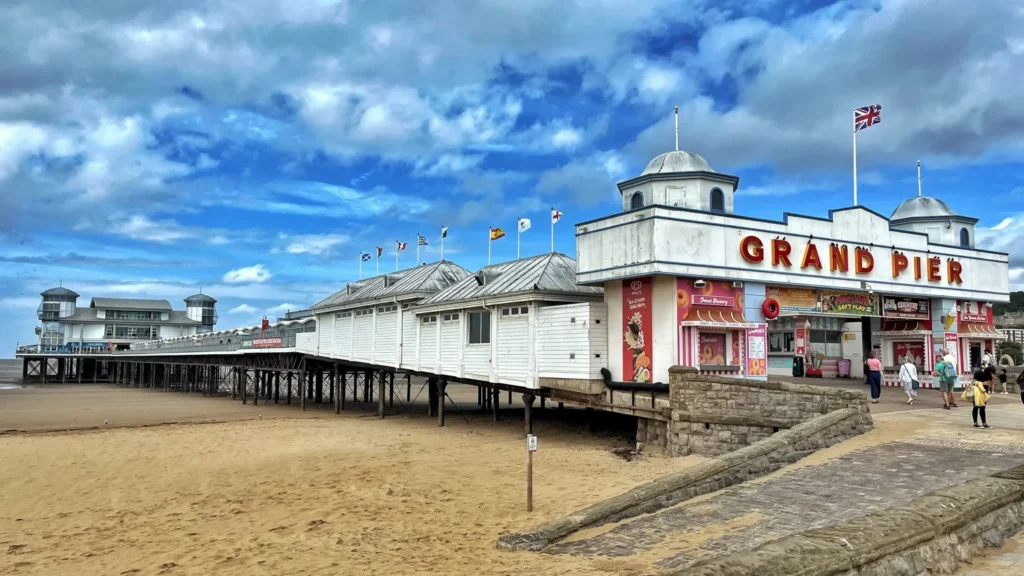
The Grand Pier has been rebuilt more times than I’ve had jobs. It first opened in 1904, burned down catastrophically in 1930, was rebuilt, and then burned down again in 2008 before reopening in its current form in 2010. That kind of resilience earns a visit on principle alone.
Today it’s arcades, rides, and a genuinely fun way to lose an hour (and a few pounds in 2p machines). Entry to walk the pier itself is a small toll, and individual rides and games are pay-as-you-go — budget accordingly, because the claw machines are rigged against you everywhere, not just here.
Go at golden hour if you can.
The pier silhouetted against the Bristol Channel at sunset is the postcard shot everyone takes for a reason.
Relax on Weston’s Vast Sandy Beach
Weston Beach is one of the largest natural beaches in the UK, and at low tide the sand stretches out dramatically — we’re talking close to a mile toward the water.
It’s the kind of scale that makes you feel genuinely small.
Bring a kite. Bring a football. Bring absolutely nothing and just walk — the flat, level promenade running alongside it makes it easy for buggies, wheelchairs, and anyone who just wants a stroll without navigating dunes.
Witness One of the World’s Highest Tides
Here’s the fun fact that surprises almost everyone: the Bristol Channel has the second-highest tidal range on the planet, with a swing of around 15 metres between high and low water.
Only the Bay of Fundy in Canada beats it.
Watching that tide come back in is honestly a spectacle — the water can move faster than a person can outrun it, which is exactly why lifeguards here take mudflat warnings so seriously. Respect the signs, check tide times before you wander out, and you’ll be fine.
Discover Weston’s Victorian Seaside Past

Weston was barely a village before the 19th century. Then the railway arrived, workers got their first taste of paid leisure time, and this quiet patch of Somerset coastline exploded into a full-blown resort almost overnight.
You can still feel that Victorian ambition everywhere — in the grand terraces along the seafront, in the pier itself, in the whole architecture of a town built to give ordinary people a taste of glamour. It’s a nice reminder that “seaside holiday” as a concept is younger than you’d think.
Uncover Birnbeck Pier’s Forgotten Story
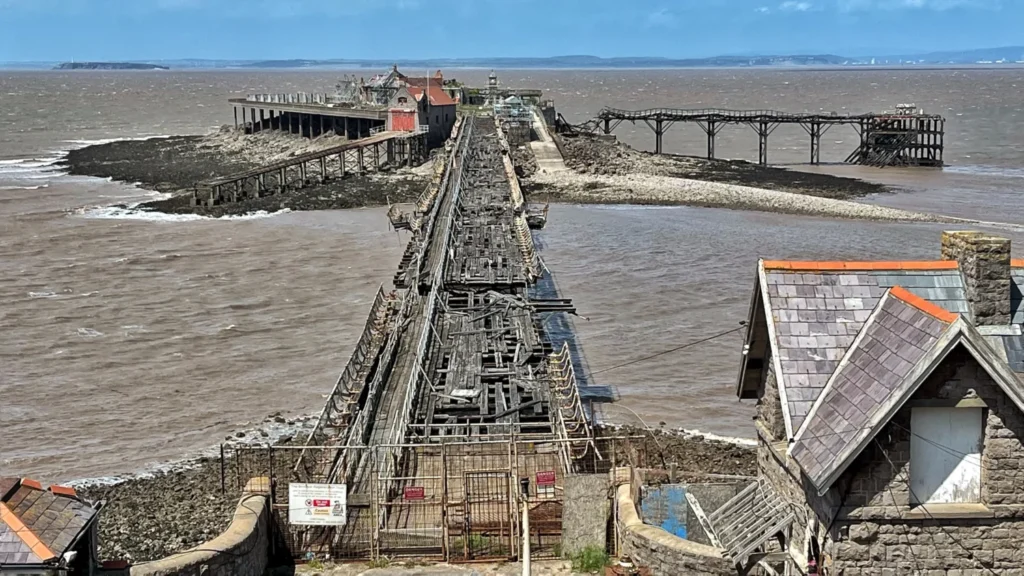
If the Grand Pier is Weston’s showpiece, Birnbeck Pier is its ghost story. Designed by the celebrated Victorian engineer Eugenius Birch and opened in 1867, it’s the only pier in the entire country that connects the mainland to an island.
It closed to the public back in 1994 and sat crumbling for decades — a genuinely eerie sight from the beach, all rusted ironwork stretching out toward Birnbeck Island. In its heyday, though, this was the launch point for Welsh day-trippers hopping paddle steamers across the Channel for a good time — England’s looser licensing laws made Weston the original booze cruise destination, decades before anyone coined the phrase.
The good news? A £44 million restoration is now underway, and you can watch the transformation happening in real time from the seafront path.
It won’t be fully open again for a while yet.
But this is a piece of living history in progress, and I love that you can witness it.
Admire Brean Down and Its Dramatic Coastal Views
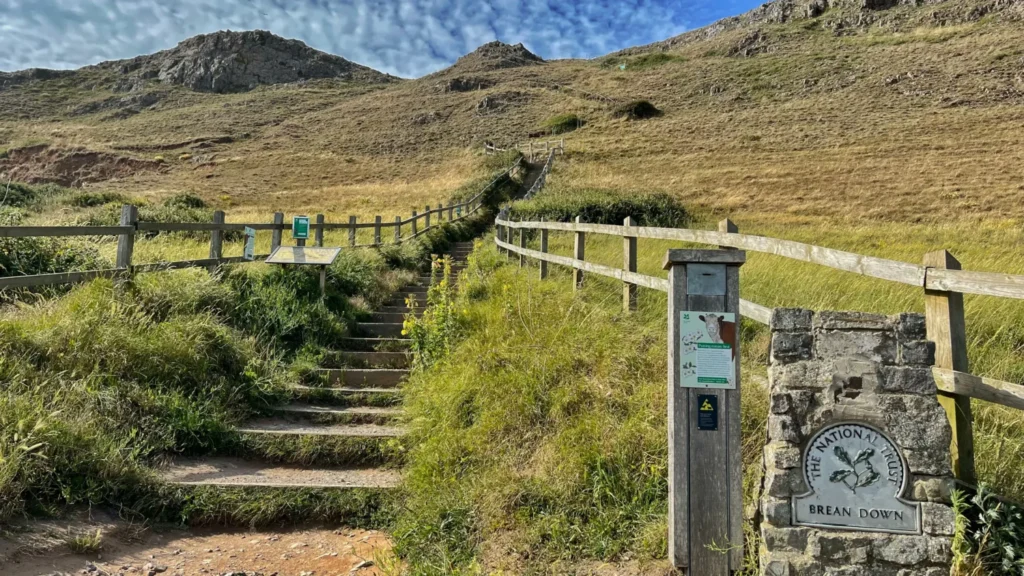
A short drive south of Weston, Brean Down is a limestone promontory that juts nearly a mile and a half out into the Bristol Channel, rising to almost 100 metres above the water. It’s been a fort in one form or another since the Iron Age, and you can still walk among the remains of a Napoleonic-era gun battery at the top.
The climb up is steep enough to make you earn it.
Once you’re up there, though, the views stretch across the whole sweep of the Somerset coast and out toward Wales — bring a windbreaker, because it gets properly gusty!
Explore Uphill and Its Coastal Nature Reserve
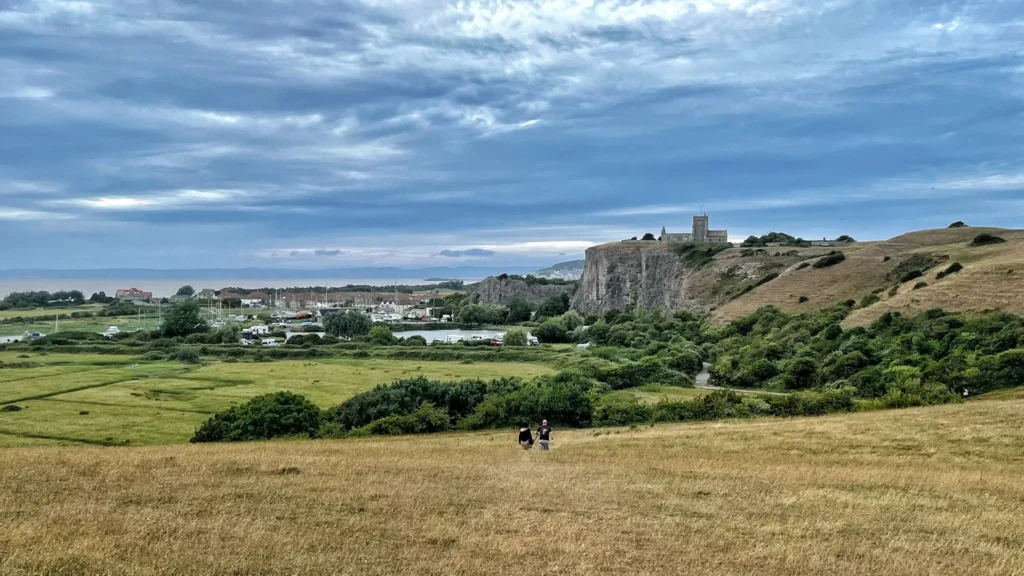
Tucked at the southern end of Weston Bay, Uphill is the quieter, prettier cousin nobody talks about enough. It’s a small village with a ruined medieval church perched dramatically on the hill above it, plus a nature reserve threading along the old tidal creek where you’ll spot wading birds if you’re patient.
Uphill Sands, right at the water’s edge, is the local hub for windsurfing and kitesurfing — worth a stop even if you’re just watching from the shore with a coffee.
Visit the Bristol Channel Islands
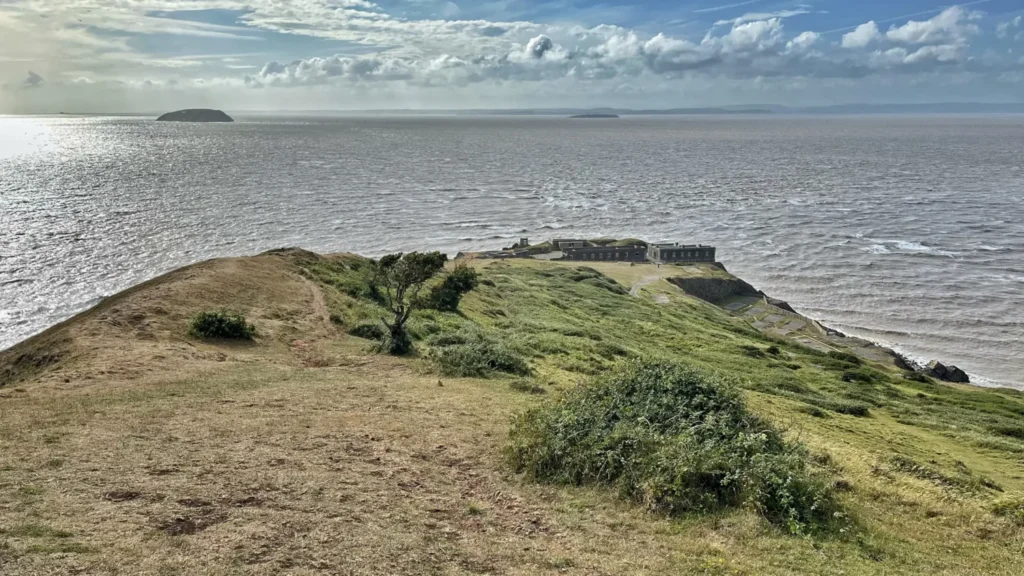
On a clear day, look out from the seafront and you’ll spot two small islands sitting out in the Channel: Steep Holm and Flat Holm. Both have their own strange, layered histories — monks, smugglers, gun batteries, and even a resident colony of wild leeks on Steep Holm.
You don’t need to visit them to appreciate them (though boat trips do run seasonally). Just knowing they’re out there adds a little extra texture to the view while you’re eating your chips on the prom.
Enjoy a Less Crowded Seaside Town
This is genuinely Weston’s biggest advantage. You get the full seaside-resort experience — pier, arcades, beach, fish and chips, ice cream — without fighting the crowds or the parking chaos of somewhere like Brighton or Blackpool in peak season.
No stampede for a deckchair!
It’s an easy day trip from Bristol, Bath, or even Cardiff, which makes it one of the most low-effort, high-reward coastal outings in the Southwest.
Interested in visiting? These are just a few of the reasons I fell for Weston, but there is plenty more to discover once you arrive. For more ideas, check out my guide to the best things to do in Weston-super-Mare.
Read my guide to Weston
So, Is Weston-super-Mare Worth Visiting?
I’ll say it again: yes!
It’s not a glossy, Instagram-engineered coastline, and it’s not trying to be. What it gives you instead is a real British seaside town, still doing exactly what it’s done for over a century — pier, tide, chips, repeat — plus a couple of genuinely unusual detours if you know where to look.
I went once, on a whim, expecting a pleasant afternoon.
I left planning my way back.
Frequently Asked Questions
Have you been to Weston-super-Mare, or is it new on your radar now? Let me know in the comments!
And if you end up there, go find Birnbeck Pier while it’s still mid-transformation and let me know how it’s lookin’!



Leave a Comment