
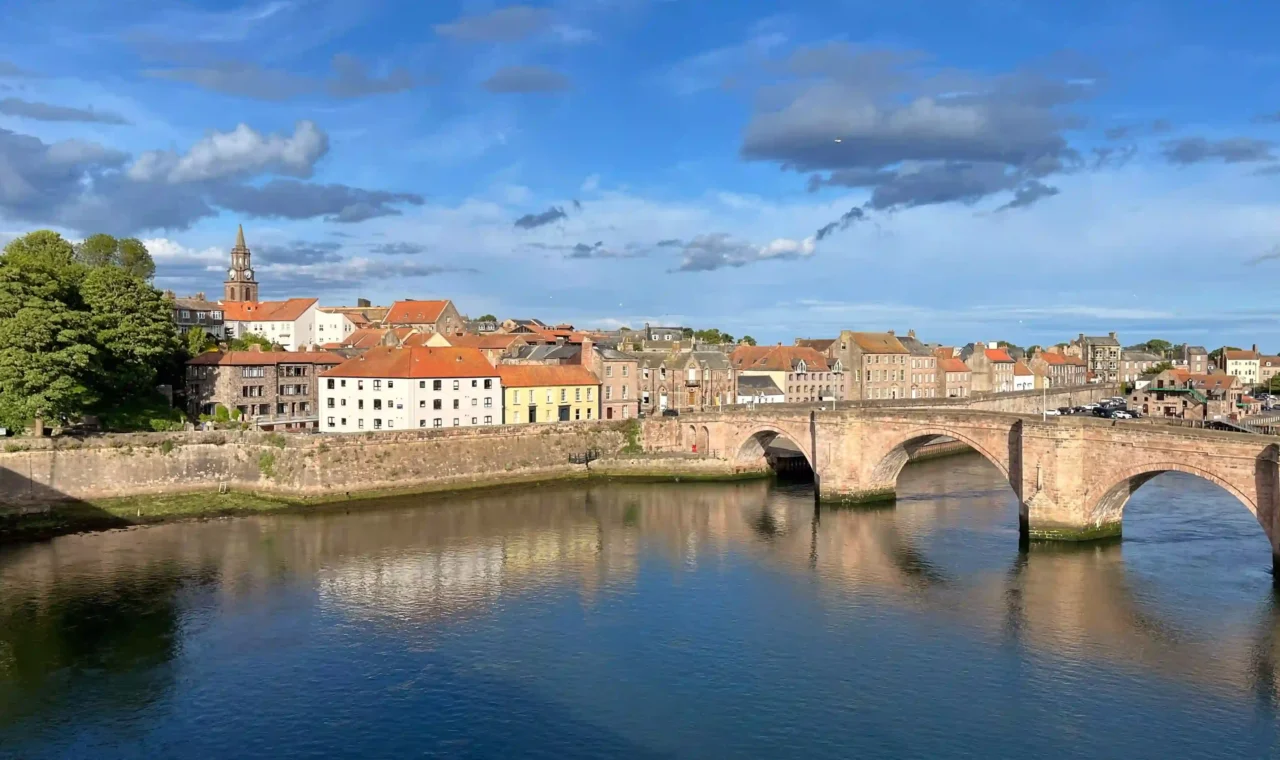
Sitting at the very top of England, just paces away from Scotland, Berwick-upon-Tweed has a unique identity unlike anywhere else in Britain. It gets skipped by people rushing between Edinburgh and Newcastle, which felt strange the moment I arrived, because Berwick has one of the most unusual histories of any town in the country. I spent a couple of days wandering it and left wondering why more people don’t talk about it.
Currency: British Pound (£)
Language: English
Best Time to Visit: Spring and Summer
Suggested Visit: 1–2 day

Table of Contents
How to Get to Berwick-upon-Tweed
10 Reasons to Visit Berwick-upon-Tweed
Experience England and Scotland Together
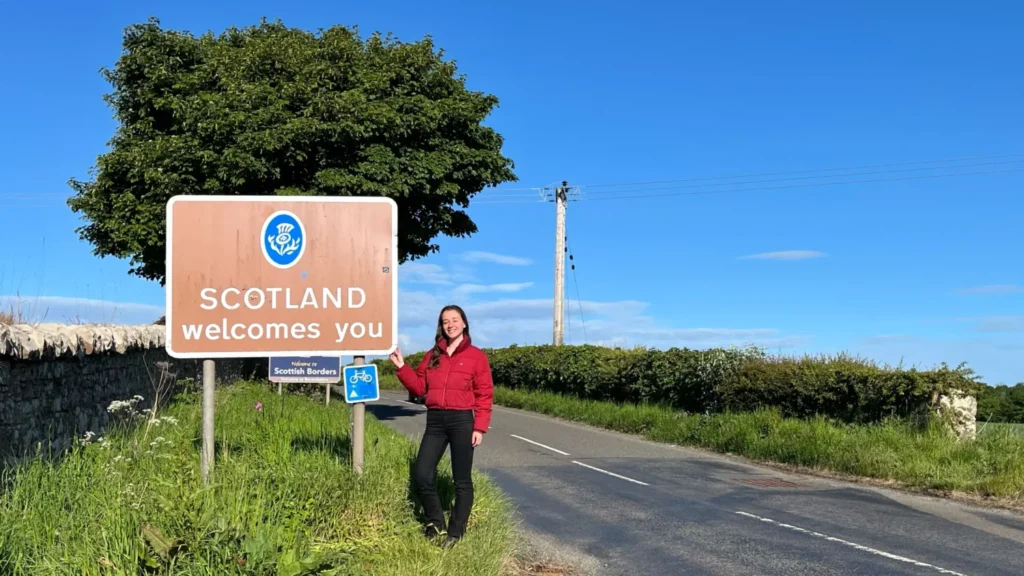
Berwick has swapped hands between England and Scotland more than any other town in Britain, changing sides over a dozen times before finally settling as English in 1482. That tug-of-war history hasn’t disappeared. You’ll hear a mix of accents, spot Scottish surnames on shopfronts, and sense a town that never quite decided which side it belongs to. It gives Berwick a genuinely unique identity, more like its own small country.
Nothing is worse than landing somewhere new and searching for WiFi before you can even find your way. I recommend an eSIM so you can use maps and travel apps the moment you arrive.
Here is the eSIM I use →Walk the Elizabethan Town Walls
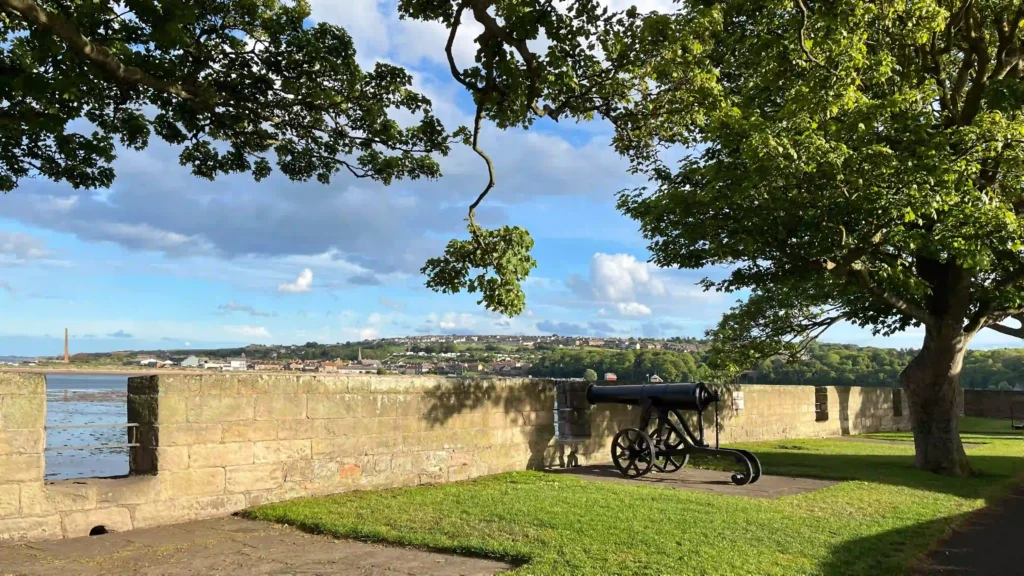
The Berwick Town Walls are, for me, the single best reason to visit. Built in the 1560s under Elizabeth I to keep the Scots out, they’re some of the best-preserved artillery fortifications in Europe, and you can walk the full circuit in under an hour, completely free. The views over the rooftops, harbour and River Tweed are properly lovely, especially at sunset. Rare to get history this good for free.
Admire the Three Iconic Bridges
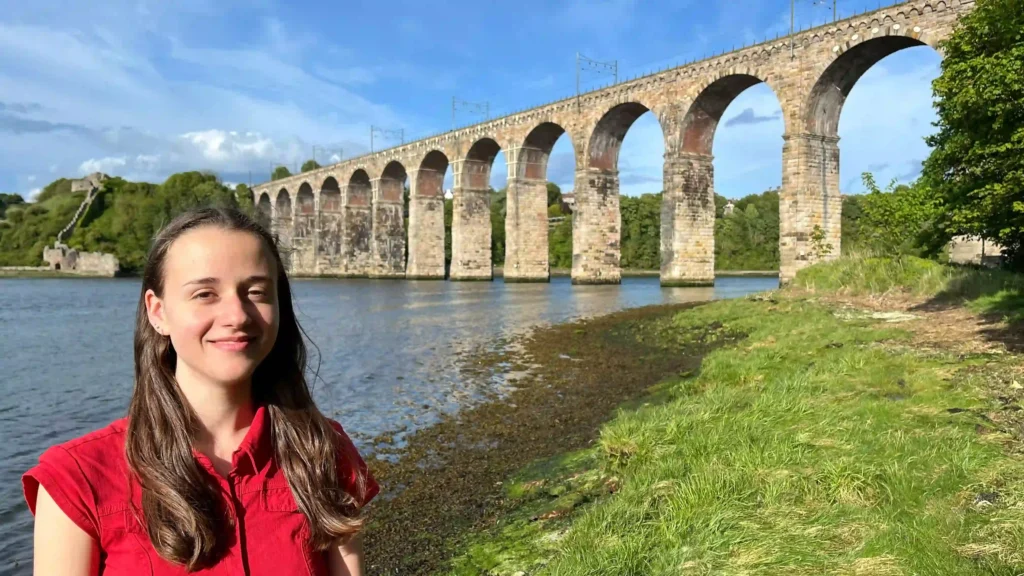
Few towns can claim three bridges that each tell a different story, but Berwick can. The Old Bridge dates to the 1620s, all warm stone and low arches. The Royal Border Bridge is a soaring Victorian railway viaduct by Robert Stephenson, and the Royal Tweed Bridge carries modern traffic on sweeping concrete curves. Seeing all three lined up across the water is one of the most photogenic views in northern England.
Follow the Beautiful River Tweed

The River Tweed is what gives Berwick its rhythm. It’s wide and unhurried here, right where it meets the North Sea, and the town wraps itself around the water in a way that makes every walk feel scenic. I actually followed the River Tweed on foot from Berwick until I crossed into Scotland, and it became one of my favourite adventures in the British Isles. You can read the full story of my journey from Berwick to Scotland by the River Tweed here.
Discover a Wild Northumberland Coast
Just south of town, the Northumberland coastline opens up into something properly dramatic, wide golden beaches, dunes and cliffs with barely another soul in sight. Spittal Beach is a five-minute walk from the centre and gives you that wild coastal feeling without needing a car. It’s the kind of scenery people travel hours for elsewhere in Britain, sitting quietly on Berwick’s doorstep.
Step Through Centuries of History
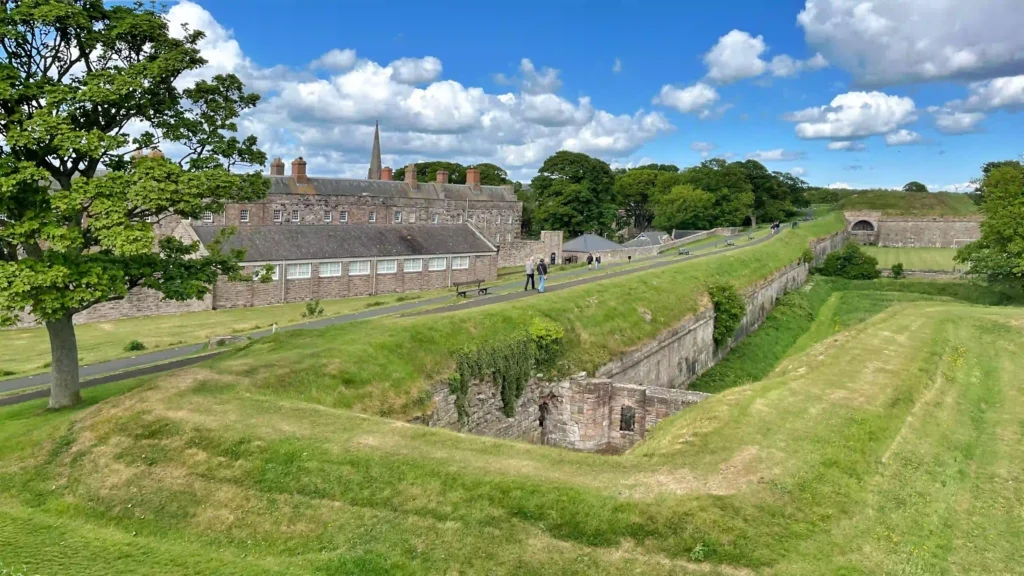
Berwick’s past is written into its streets, walls and ruins. Once one of the most heavily fortified towns in Britain, it was shaped by centuries of conflict and defence. You can still find traces of Berwick Castle, walk past the impressive Berwick Barracks designed by architect John Vanbrugh, and discover a town shaped by sieges, soldiers and survival. Every corner reveals another layer of Berwick’s fascinating past.
Escape the Crowds

Compared with Edinburgh, an hour up the coast, or busier Northumberland villages like Bamburgh and Alnwick in peak season, Berwick stays wonderfully quiet. I walked the entire town walls without passing more than a handful of people, and the castle ruins were practically empty. If you’ve ever felt like you were queuing just to see something, Berwick is the opposite of that.
Get More for Your Money
Berwick is noticeably kinder on the wallet than nearby Edinburgh or the honeypot villages further down the coast. Accommodation, food and parking all come in cheaper here, without any real drop in quality. You can enjoy historic streets, coastal views and excellent day trips without paying the prices you’d find in nearby Edinburgh or popular Northumberland villages.
Explore the Borders from One Base
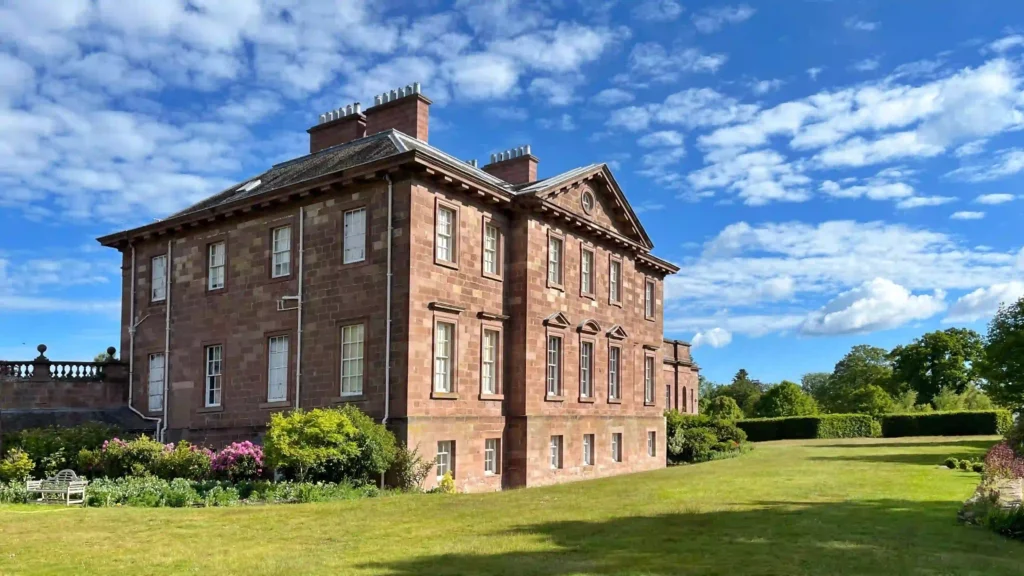
Berwick sits in a genuinely useful spot for exploring both Northumberland and the Scottish Borders. Bamburgh Castle, Holy Island, Paxton House and the Farne Islands are all within half an hour, and the rolling Borders countryside stretches north from here. Rather than constantly changing hotels, I found it easier to base myself in Berwick and take day trips out, meaning more time exploring and less time packing.
Discover a Town Few People Visit
There’s something genuinely satisfying about visiting somewhere that still feels overlooked. Berwick isn’t chasing tourists the way its neighbours are, and that gives it an honest, lived-in atmosphere rather than a polished one built for visitors. For travellers who enjoy finding places before everyone else catches on, Berwick offers exactly that, a proper hidden gem hiding in plain sight.
Interested in visiting? These are just a few of the reasons I fell for Berwick, but there is plenty more to discover once you arrive. For more ideas, check out my guide to the best things to do in Berwick-upon-Tweed.
Read my guide to Berwick
So, Is Berwick-upon-Tweed Worth Visiting?
For me, absolutely yes. Berwick brings together centuries of border history, some of the best-preserved town walls in Europe, three beautiful bridges and a wild stretch of Northumberland coast, all wrapped in a genuinely affordable base without the crowds you’d find up the road in Edinburgh. It’s a town that rewards curiosity, and I’m already looking forward to going back to explore more of Northumberland.
Frequently Asked Questions



Leave a Comment