
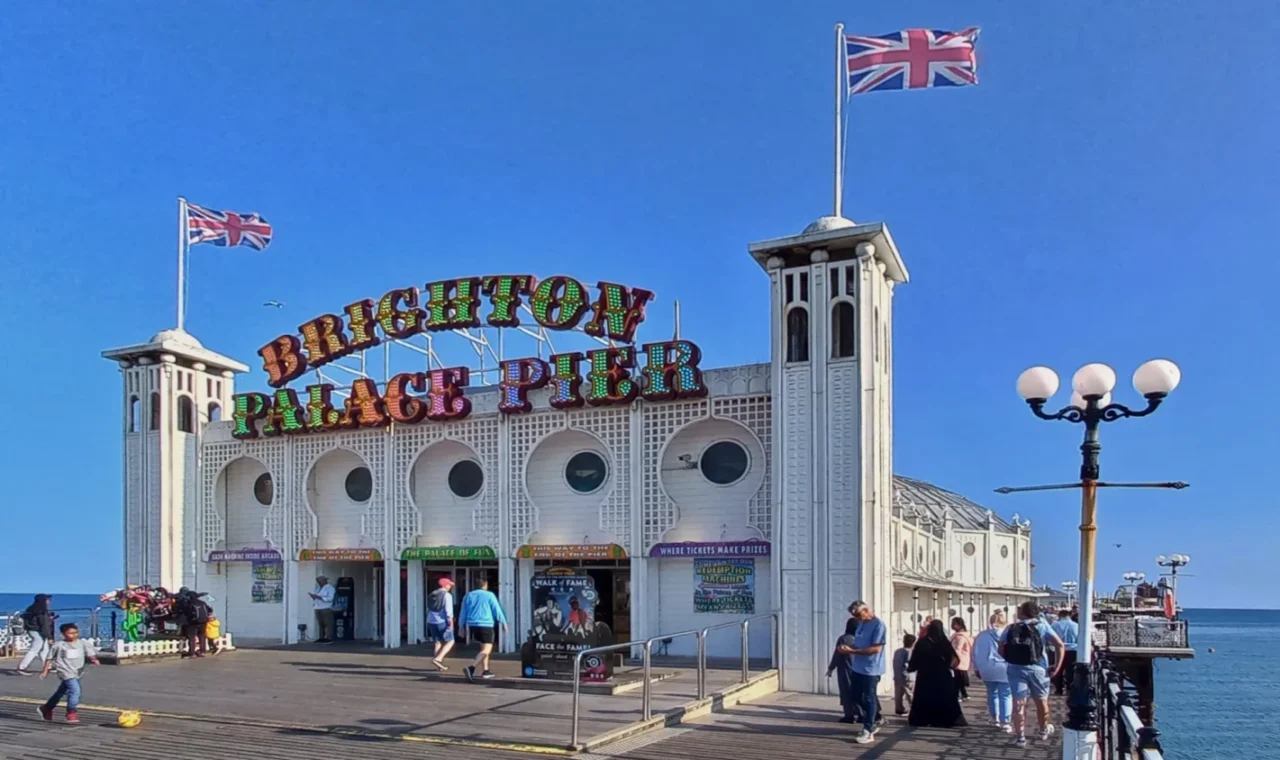
There is something strangely fascinating about British seaside towns. Some still feel full of life, with busy promenades and colourful shops, while others seem to hold onto memories of a different time when a week by the sea was the highlight of the year for millions of families. Behind every pier, amusement arcade and grand Victorian hotel is a story of ambition, changing habits and a country learning how to spend its free time. The rise and fall of these coastal towns is not just a story about holidays, but about railways, industry and how Britain itself has changed.

Table of Contents
Before Seaside Holidays
There was a time when nobody in Britain went to the seaside for fun. The coast was mainly a place for fishing, trade and work, not somewhere people travelled to relax. Whole fishing villages dotted the edges of the country, full of people trying to make a living from the water rather than enjoy it. The idea of a seaside holiday, as we know it today, simply did not exist yet. That only began to change in the 18th century.
The change came from doctors rather than holidaymakers. Sea air and sea bathing were believed to have health benefits, helping places like Scarborough and Brighton become fashionable. Brighton became especially popular after the Prince of Wales, later King George IV, built the Royal Pavilion there. Seaside trips were still mostly reserved for wealthy travellers until the arrival of the railway.
The Railway Revolution
If you want to understand why British seaside towns look the way they do today, start with the railway. It transformed the coast from an expensive escape for the rich into somewhere ordinary people could finally reach. Suddenly, towns that had once felt remote became accessible to millions of workers living in Britain’s growing industrial cities, and the whole shape of British leisure changed within a few short decades.
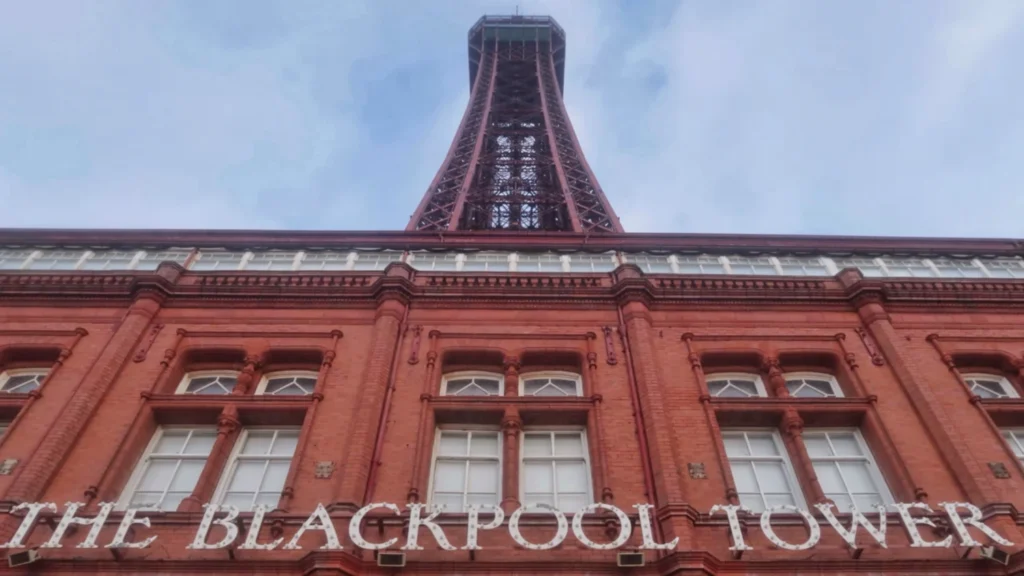
Blackpool is perhaps the clearest example. Before the railway arrived in 1846, it was a small coastal settlement with little sign of what it would become. The new connection brought visitors from nearby towns like Manchester and Preston, and the resort quickly grew into one of Britain’s most famous holiday destinations. The opening of Blackpool Tower in 1894 became a symbol of the town’s success.
Other resorts developed in their own ways. Llandudno was carefully planned with wide streets, grand hotels and a beautiful promenade, while Scarborough expanded its reputation as an elegant seaside escape once its own railway connection arrived. Across Britain, the same ingredients appeared again and again: piers, theatres, boarding houses and attractions designed around the simple pleasure of being beside the sea.
The Golden Age of Seaside Holidays
The railway created British seaside towns, but the 20th century turned them into a national tradition, embraced by nearly every working family in the country. For millions of families, a holiday by the sea became one of the biggest events of the year. Many returned to the same town, the same guesthouse and even the same beach every summer, without fail.
Much of this was shaped by industry. In northern England and Wales, factories and mills closed for a set week each summer, known as Wakes Week, allowing entire communities to travel together at the same time. Towns like Blackpool built their entire identity around welcoming these crowds, creating a world of entertainment tailored precisely to the needs of working families.
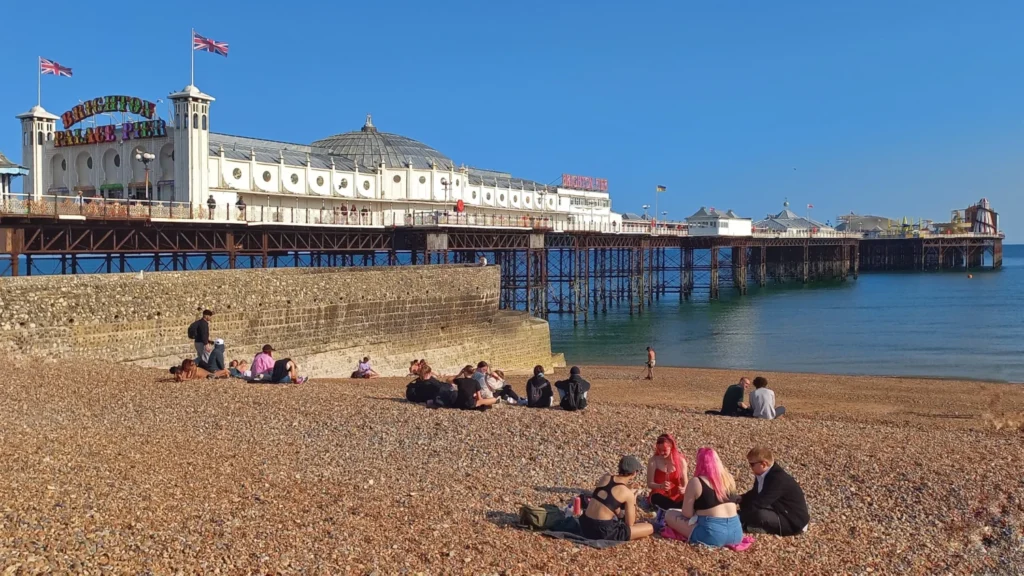
The experience became part of British culture: fish and chips by the sea, donkey rides on the beach, amusement arcades, evening walks along the promenade and long days spent on the sand with family. By the middle of the 20th century, seaside towns were at their peak, attracting millions of visitors every single year.
Why Seaside Towns Began to Decline
The decline of British seaside towns was not caused by one single thing. In many ways, the same forces that created their success eventually became their biggest challenge. Better transport, more free time and changing expectations meant that people started looking further afield for their holidays than ever before, and the coast could no longer take that loyalty for granted.
The biggest change was the rise of cheap package holidays abroad. As flights became more affordable during the 1970s and 1980s, destinations like Spain offered something British resorts simply could not compete with: reliable sunshine. At the same time, the industries that had brought visitors to these towns for generations began disappearing as factories, mines and mills closed across the country.
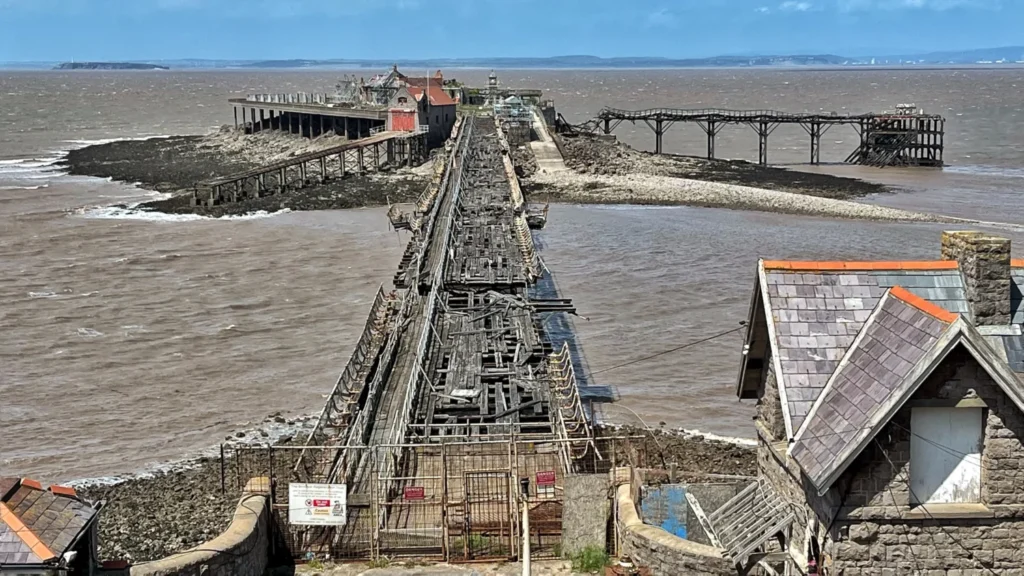
The effects were visible across the coast. Some piers disappeared, famous attractions closed and traditional hotels struggled as fewer families returned year after year. But it’s too easy, and a bit lazy, to say these towns simply ‘died’. They were places built around one type of tourism, and when that world changed, they had to slowly find a new purpose.
The Seaside Comeback
The story of British seaside towns is not only about decline. Some places have managed to reinvent themselves by accepting that they could never return exactly to their golden age. Instead of trying to recreate their golden age, many have reinvented themselves, and I think that’s what makes their story so fascinating.
Margate is perhaps the best-known example of a cultural revival. After years of decline, the opening of the Turner Contemporary gallery in 2011 helped bring new attention to the town, while the reopening of Dreamland created a fresh attraction built around nostalgia. Today, its Old Town is filled with independent shops, cafés and small galleries.
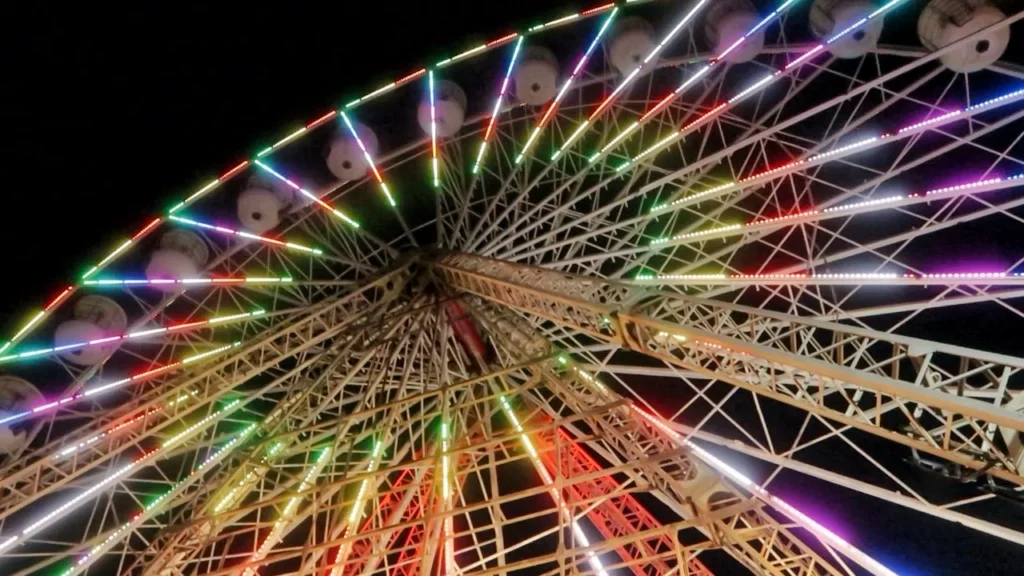
Blackpool’s comeback has taken a different path. Once one of Britain’s most popular destinations, the town later became associated with decline as overseas holidays drew visitors elsewhere. Rather than hiding its past, Blackpool has embraced what makes it unique: the Tower, the Illuminations, its theatres and its wonderfully old-fashioned seaside character, turning nostalgia into an attraction in its own right.
Weston-super-Mare is one of Somerset’s most traditional seaside towns, with a long beach, Victorian heritage and a famous Grand Pier. Discover how this once declining resort found a new identity and became one of Britain’s most interesting coastal towns.
Read my guide to Weston-super-MareMy Favourite British Seaside Towns
Colourful lanes, a proper nightlife scene and a pebble beach with plenty of character. Worth a wander.
A proper Victorian seaside experience: a huge tower, glowing Illuminations and enough kitsch to feel young again!
Wide open sands, a proper Grand Pier and gentle Somerset charm. I’ve written a full guide here.
Why These Stories Matter
Although many British seaside towns no longer attract the crowds they once did, their legacy goes far beyond tourism. They changed how millions of people spent their holidays, shaped local communities and left behind a remarkable collection of piers, theatres and Victorian architecture. Some continue to reinvent themselves, while others wear their past more openly, but together they remain an important part of Britain's social and cultural history.




Leave a Comment