
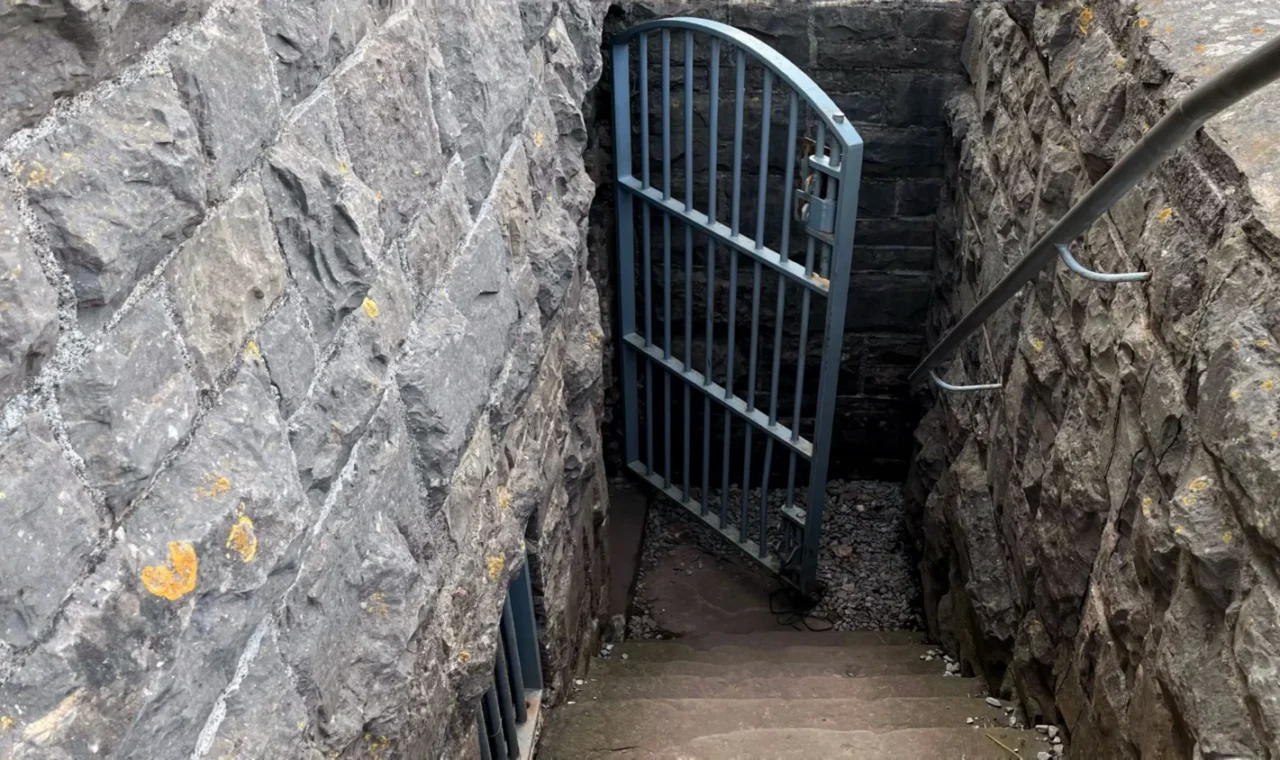
Past the cattle and the wildflowers, right at the tip of Brean Down, sits a ruin with a genuinely dark past. Brean Down Fort was built to keep out an invasion that never came, but its worst day came from inside its own walls, and things only get stranger once the Second World War rolls around. Add in decades of ghost stories from visitors and urban explorers, and it’s easy to see why people keep asking whether this old fort is actually haunted!

Table of Contents
A Fort Built Out of Fear
Brean Down Fort went up between 1864 and 1871. It was one of several forts built along the Bristol Channel after Queen Victoria and Prince Albert came back from France worried about the size of the French navy under Napoleon III. Like most of these ‘Palmerston Forts,’ it was built for a war that never happened, and it sat there for decades without ever firing a shot at an enemy.
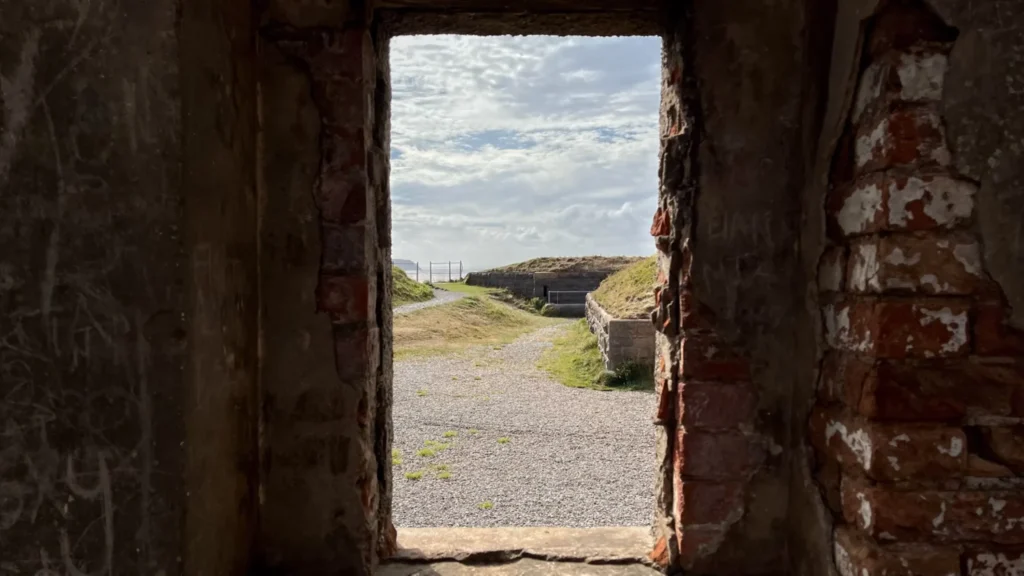
Its only real battle, as it turned out, came from within its own walls.
The Night Gunner Haines Died
In the early hours of 6 July 1900, one of the fort’s own soldiers did something that would change the history of Brean Down Fort forever. Gunner William Haines fired a loaded cartridge down a ventilator shaft that led straight into the fort’s main gunpowder store. Three tons of gunpowder exploded. The blast was so powerful that it tore straight through the wall between the fort and its moat, throwing pieces of wreckage almost 200 metres.
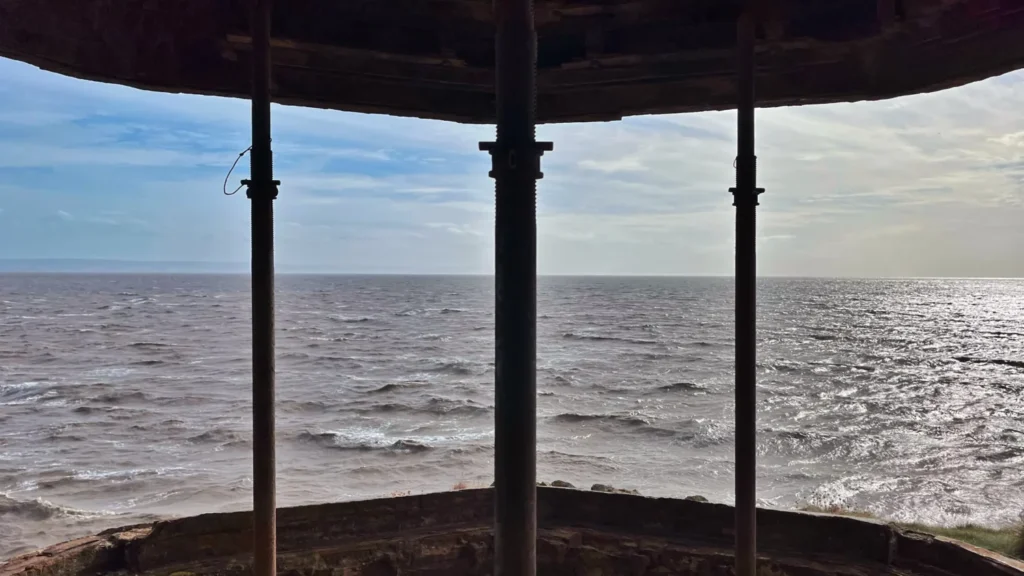
Haines was the only person who died that night. An official inquest concluded that he had acted in a moment of ‘temporary insanity.’ That explanation never fully convinced everyone, though. Plenty of local historians believe it was a deliberate act, possibly even suicide, though no one will ever really know why he did what he did. After the explosion, the army gave up on the fort completely, and it sat empty for decades afterward.
Secret Weapons of the Second World War
Brean Down Fort got a second life when war broke out again in 1939. It was rearmed with naval guns and searchlights so it could keep watch over the channel, and the old barrack blocks were altered too, with some windows partly blocked up to reduce the effects of any blast. But the fort also became something else: a testing ground for some genuinely strange wartime experiments, including early trials of the famous bouncing bomb.
One of the oddest stories from this period involves a rocket that people nicknamed the ‘Expendable Noise Maker.’ It was designed to confuse enemy torpedoes by setting off a pattern of underwater explosions. During one test, though, a rocket veered badly off course, shooting inland instead of out to sea, and blew up in a nearby chicken run, a small fenced pen where chickens were kept. Thankfully nobody was hurt and only the chickens got a fright, which is why it’s remembered as a funny wartime mishap rather than a tragic one.
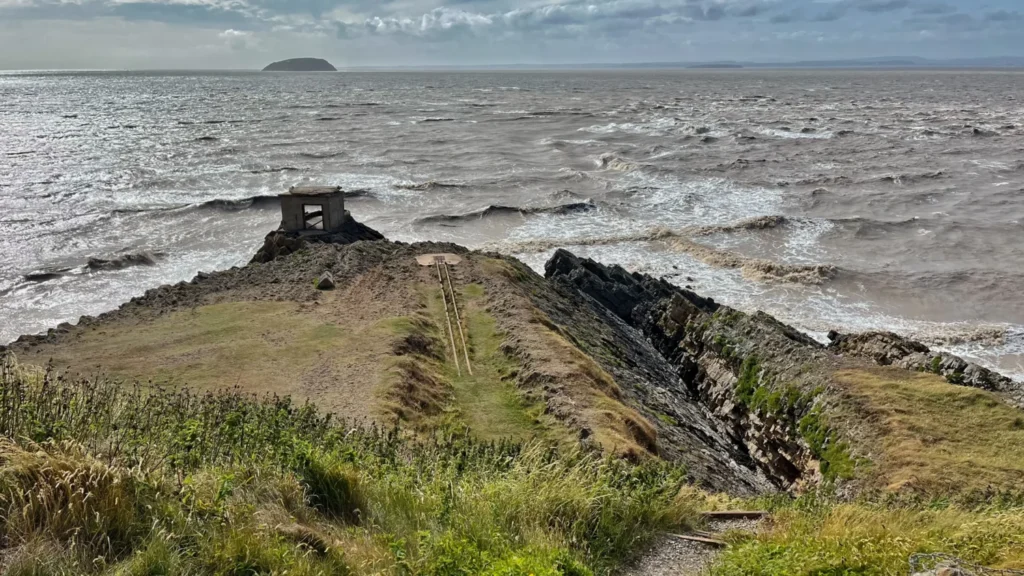
All of this testing was run by the Admiralty’s own weapons development unit, based just along the coast at HMS Birnbeck in Weston-super-Mare. Alongside the bouncing bomb and the Expendable Noise Maker, engineers also trialled an anti-submarine rocket nicknamed AMUCK from the same clifftop launch site. Once the war ended, the testing stopped, and today almost nothing remains to prove it ever happened beyond a short stretch of launching rail still visible on the down.
Is Brean Down Fort Haunted?
Between a suicide, decades of wartime secrecy, and a ruin that’s been slowly falling apart for over a century, it’s not exactly a surprise that Brean Down Fort has picked up a reputation as one of Somerset’s more unsettling places. Ghost hunters and urban explorers often list it among the region’s haunted sites, and anyone who has walked alone through its darkest tunnels will probably understand why these stories keep going, even though nobody has ever confirmed an actual sighting.
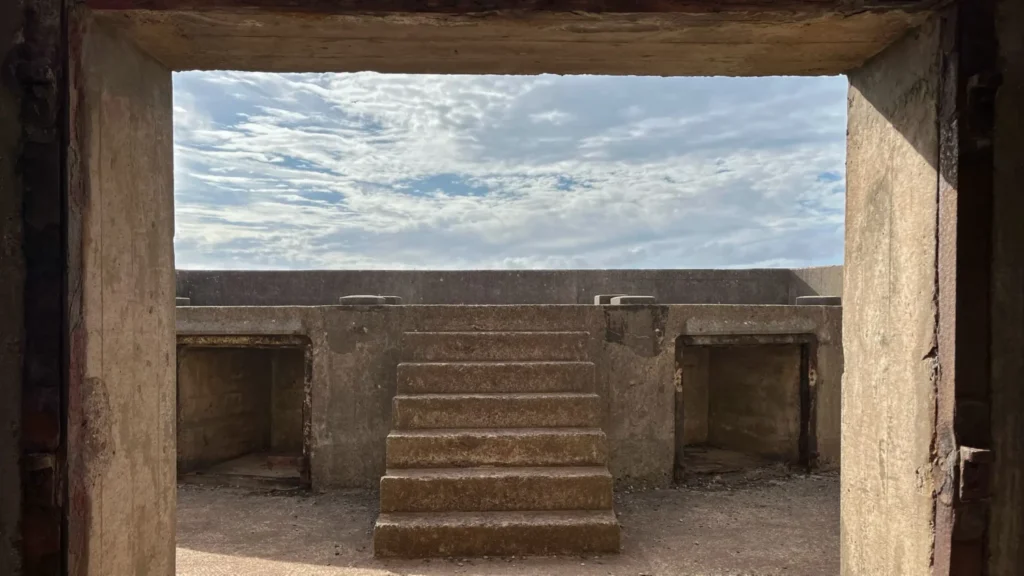
Whether or not you believe any of it, the atmosphere alone does most of the work. I felt it myself, walking through alone with no idea what might be waiting around the next bend, and more than once I wanted to turn back. Wandering through empty old barracks and dark, narrow passages, with the wind howling outside, is more than enough to put anyone on edge, and it was the pitch-black stretches inside that spooked me most of all. I’ll admit I was glad to step back out into the daylight by the end…
Visiting Today
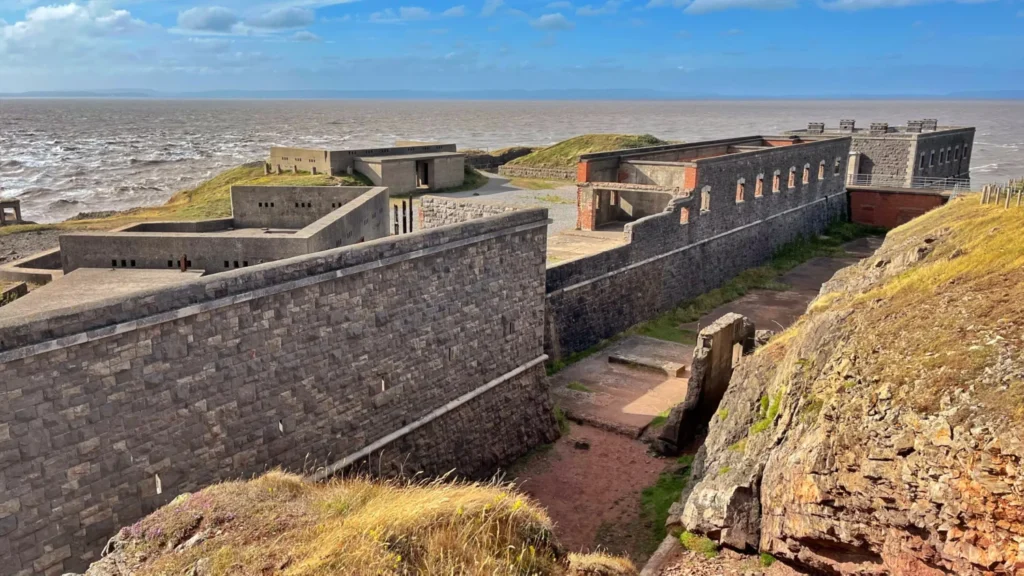
Brean Down Fort is free to explore and looked after by the National Trust, with information boards dotted around explaining what each building was originally used for. There’s no set opening time beyond the Down itself, though the walk out and back is best done in daylight. If you’re exploring the fort’s darker corners, especially alone, I would highly recommend telling someone where you’re headed and bringing a torch! For the full walk out to the fort and back, I’ve written a separate guide to the Brean Down walk.

Frequently Asked Questions





Leave a Comment