

Weston-super-Mare is a seaside town on the Bristol Channel in Somerset, about 20 miles south-west of Bristol. It grew from a small village into a full-blown Victorian seaside resort in the 19th century, and that history is still written into the place today, in its piers, its promenade, and its faded seafront grandeur. Here are the best things to do in Weston-super-Mare, from the obvious highlights to a few spots worth the extra walk.
Currency: British Pound (£)
Language: English
Best Time to Visit: Spring and Summer
Suggested Visit: 1–2 days
The Bristol Channel has the second-highest tidal range in the world, beaten only by the Bay of Fundy in Canada. This means the sea can pull back for over a mile at low tide in Weston Bay, so it’s worth checking tide times before you plan a beach day!

Table of Contents
A Brief History of Weston-super-Mare
The name Weston comes from the Anglo-Saxon for ‘west settlement’, and ‘super mare’ is Latin for ‘above sea’. For centuries it was just fishing cottages, until the Georgian belief that sea air and cold-water bathing were good for your health drew wealthy visitors from Bristol and Bath. The railway reached Weston in 1841, and the population jumped from around 2,000 to nearly 20,000 by the end of the century! New hotels, piers and a promenade were then built to keep up.
That boom faded once cheap flights abroad arrived in the second half of the 20th century. Like most British seaside towns, Weston couldn’t compete with guaranteed sunshine a couple of hours away, and Birnbeck Pier closed in 1994 as visitor numbers dropped. I think that fall is part of what makes Weston worth visiting now, you can feel both eras at once, and there’s been a real push in recent years to bring people back.
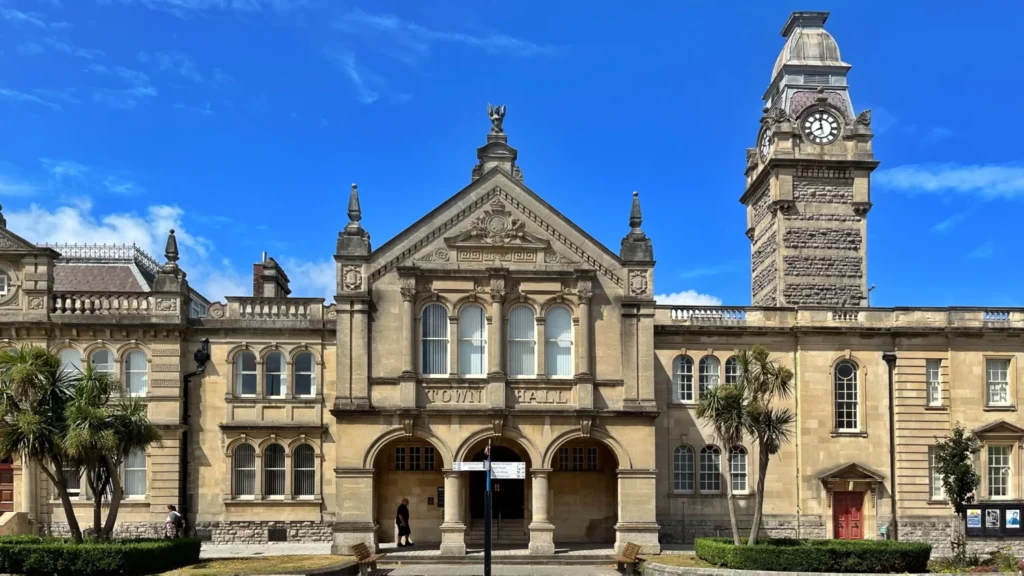
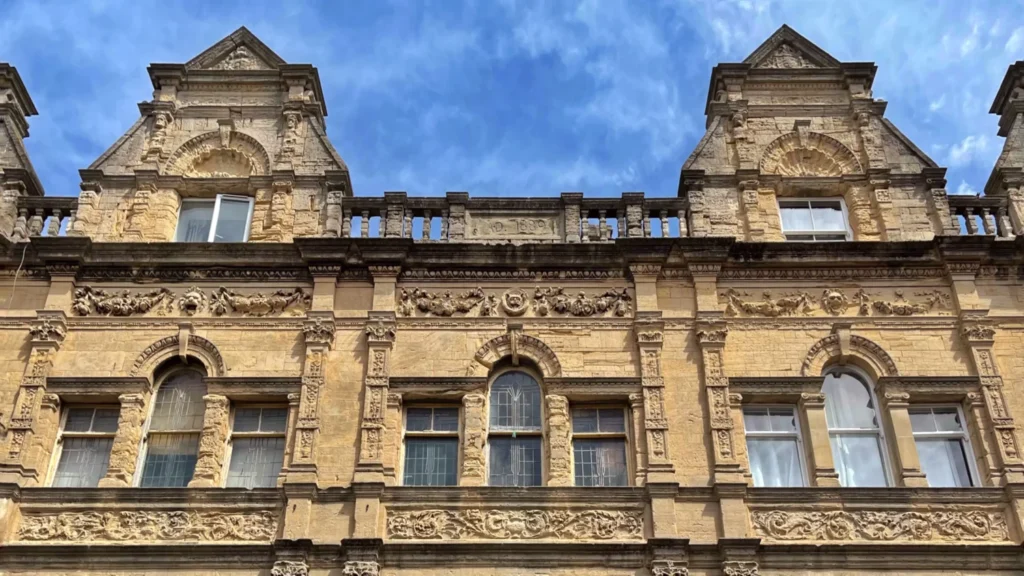
I noticed that Victorian growth everywhere I went, but nowhere more than the Town Hall, an Italianate building with a striking clock tower that stopped me in my tracks as I walked past. It opened in 1859, it’s still the headquarters of North Somerset Council, and it’s a good example of how much of Weston’s civic architecture dates from the same boom years as the piers and the promenade. I’m always drawn to grand civic buildings like this, Chester has some brilliant ones too, just without the seaside setting.
How to Get Around Weston-super-Mare?
Weston is easy to explore on foot, especially along the seafront, where most of the main attractions sit within a short walk of each other. If you’re coming from Bristol or Bath, there’s a direct train to Weston-super-Mare railway station, from which it’s about a 15-minute signposted walk down to the seafront. For anywhere further out, like Weston Woods or Brean Down, you’ll want a car or a willingness to walk a fair bit further.
Best Things to Do in Weston-super-Mare
Ride the Grand Pier
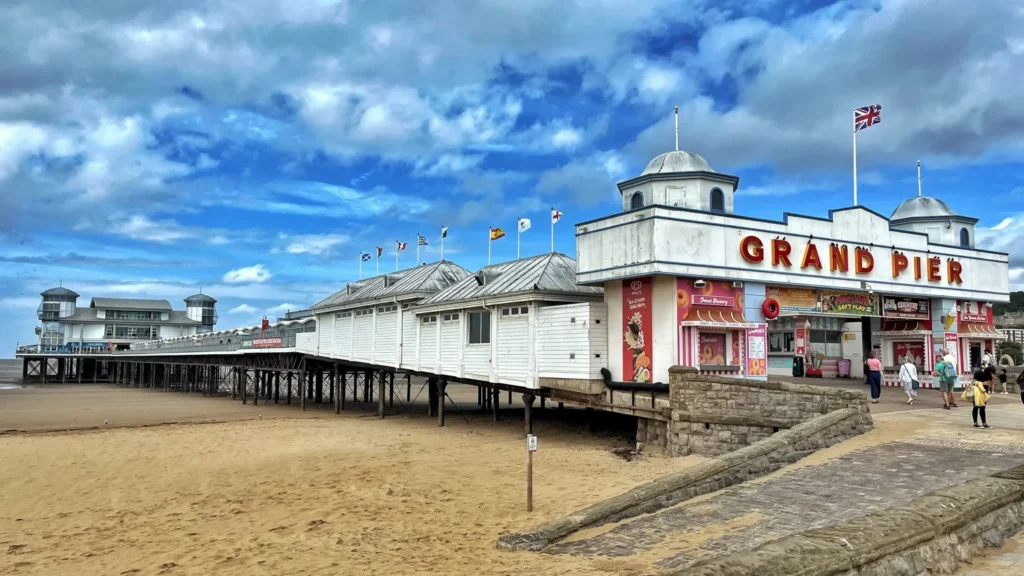
The Grand Pier is Weston’s showpiece, and it’s the first thing I headed for. It opened in 1904, and its pavilion has actually burned down twice, once in 1930 and again in 2008, so the building you’ll walk into today is a modern rebuild behind a Victorian-style pier. Inside there are amusements, rides and arcade games, and I recommend at least walking to the end of it for the views back over Weston Bay, even if you skip the rides themselves like I did.
Walk Weston-super-Mare Beach
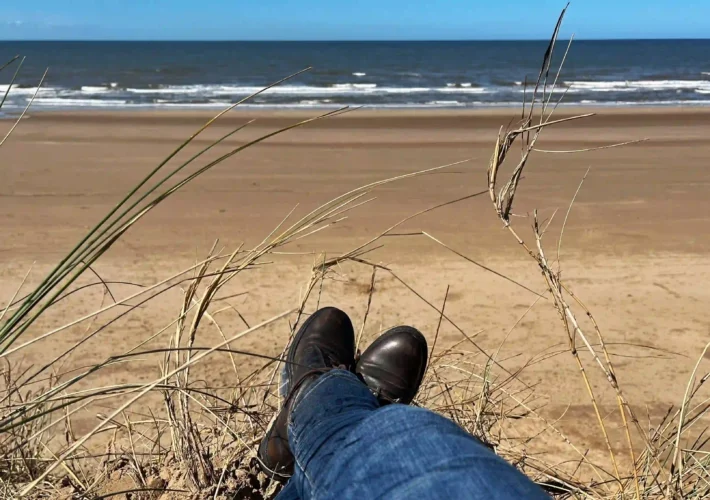
The beach is Weston’s biggest draw: nearly two miles of sand stretching along the bay. What caught me off guard was the tide, which can retreat over a mile at low water, leaving a huge expanse of sand and mudflats with the sea barely visible on the horizon. I’d recommend checking tide times before you go. If English beaches are your thing, this one sits alongside Crosby Beach and Formby Beach as one of my favourites.
Stroll the Seafront Promenade
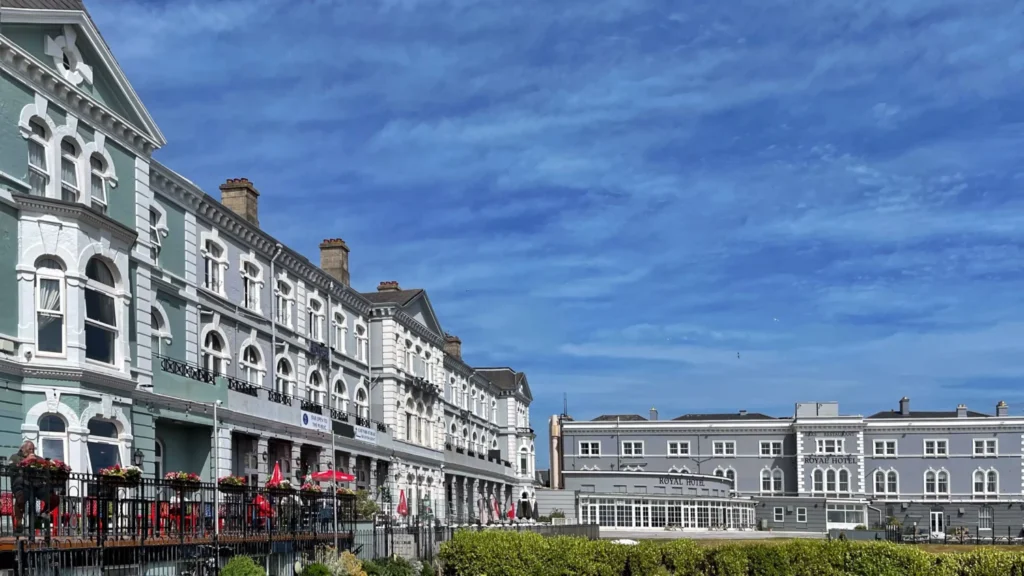
Weston’s promenade runs the length of the bay, and it was the easiest way for me to get a proper feel for the town. It’s flat, well maintained, and busy with everyone from dog walkers to cyclists. Along the way you’ll pass the Winter Gardens Pavilion, a neo-Georgian building from 1927, and its curved front was worth stopping for even though I didn’t go in. This was the first proper walk I did in Weston, and it’s still the one I’d recommend starting with, it gives you a sense of the whole town before you decide where to head off to.
Spot the Street Art
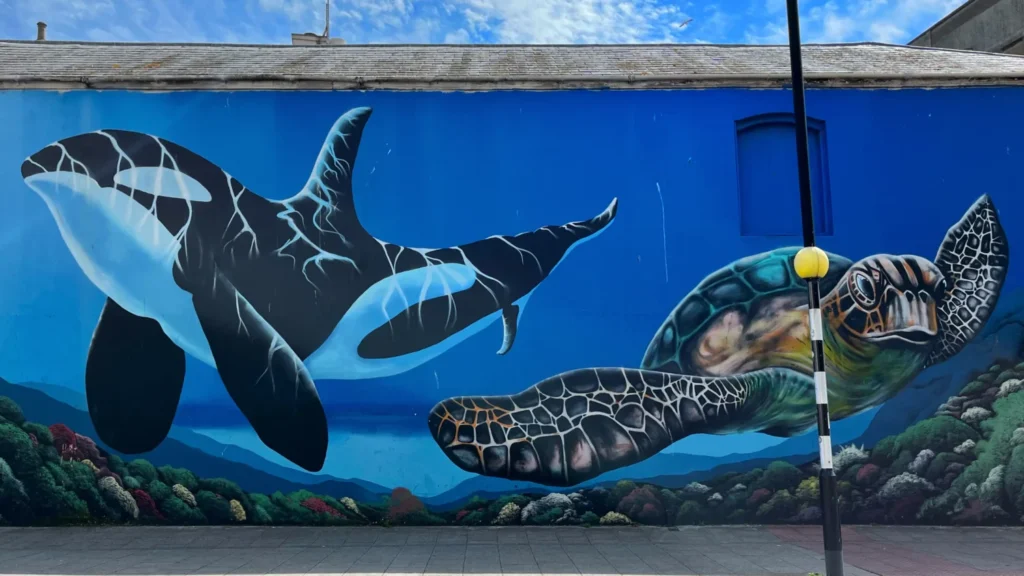
Weston has a growing collection of street art and murals dotted around the town, a nice contrast to its more traditional seaside image, and I came across quite a few as I wandered around. Murals like these tend to get painted over or replaced eventually, so I won’t point you to exact spots, but I’d recommend just having a walk around the streets off the seafront. Half the fun is stumbling across them yourself!
Learn at Weston Museum
I popped into Weston Museum on a whim, and I’d recommend it, especially if you want some context for everything you’ve already seen along the seafront. It covers the area’s history from prehistoric times through to Weston’s Victorian boom as a seaside resort, and it’s small enough that it didn’t eat into the rest of my day.
Visit Knightstone Island
Knightstone Island is a small tidal island just past the promenade, connected to the mainland by a causeway. It’s actually where Weston’s seaside story started, its Georgian and Victorian bathhouses were the town’s original attraction, long before the Grand Pier existed, and some of those old buildings are still standing, now converted into flats. Most visitors miss it since they don’t walk this far along the seafront, but I’d recommend it for the view back over the bay.
See Birnbeck Pier
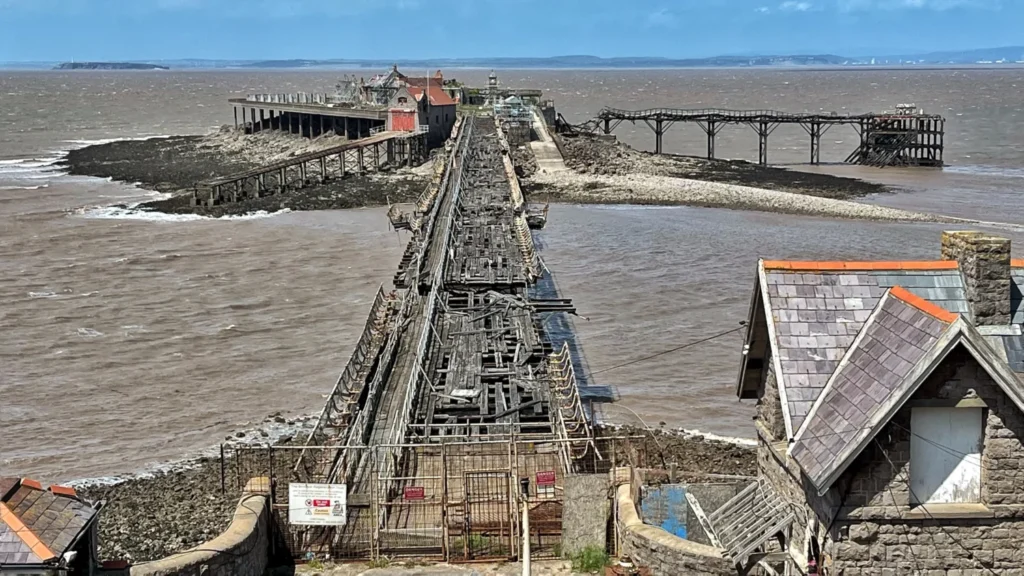
Just beyond Knightstone Island, Birnbeck Pier is where the Grand Pier’s polish gives way to something quite different, and it’s honestly the spot I found myself lingering at longest. It closed in 1994 and has stood derelict ever since, and there’s something genuinely striking about seeing a Victorian pier left to the elements like this. It’s Britain’s only pier that links to an island, and you can’t currently walk out onto it, but I still think it’s worth the detour to the north end of the seafront just to see it up close.
Explore Weston Woods and the Iron Age Hillfort
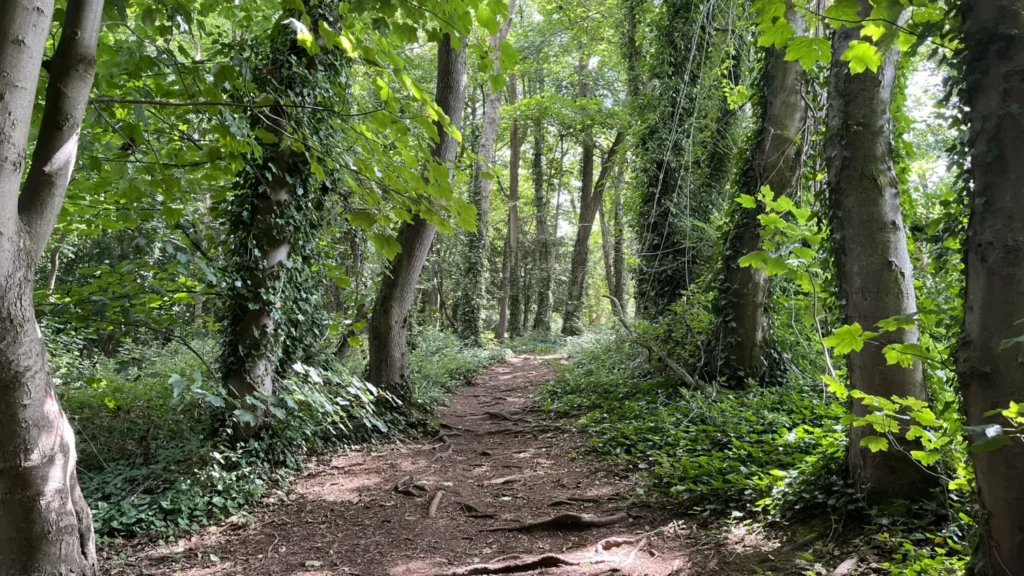
Up on Worlebury Hill, just north of the seafront, Weston Woods is 130 hectares of woodland with a proper network of walking trails, and I was glad of the shade after a morning on the seafront. At its western tip is Worlebury Camp, an Iron Age hillfort where you can still make out the old defensive ramparts. I’d recommend this if you want a break from the crowds, and the views over Sand Bay towards Wales from the higher paths were some of the best I got all day.
Hike Brean Down and Its Victorian Fort

Technically just outside Weston, Brean Down is a dramatic limestone headland jutting into the Bristol Channel, and it was the highlight of my whole visit. At its tip sits a Victorian fort, built in the 1860s as one of the Palmerston Forts, a chain of defences thrown up along the coast after fears that France might invade, later used again in the Second World War. The walk up is steep and left me out of breath, but the views made it worth it. One tip: cattle graze freely up here as part of the conservation work, so keep your distance!
Brean Down is quite far south of Weston, so I’d take the bus rather than walk it both ways. The First Bus number 20, from Weston-super-Mare Interchange towards Burnham-on-Sea, stops at Brean, and it runs roughly hourly. Just double-check the return times before you set off, that’s exactly how I ended up walking into Uphill!
Walk to Uphill
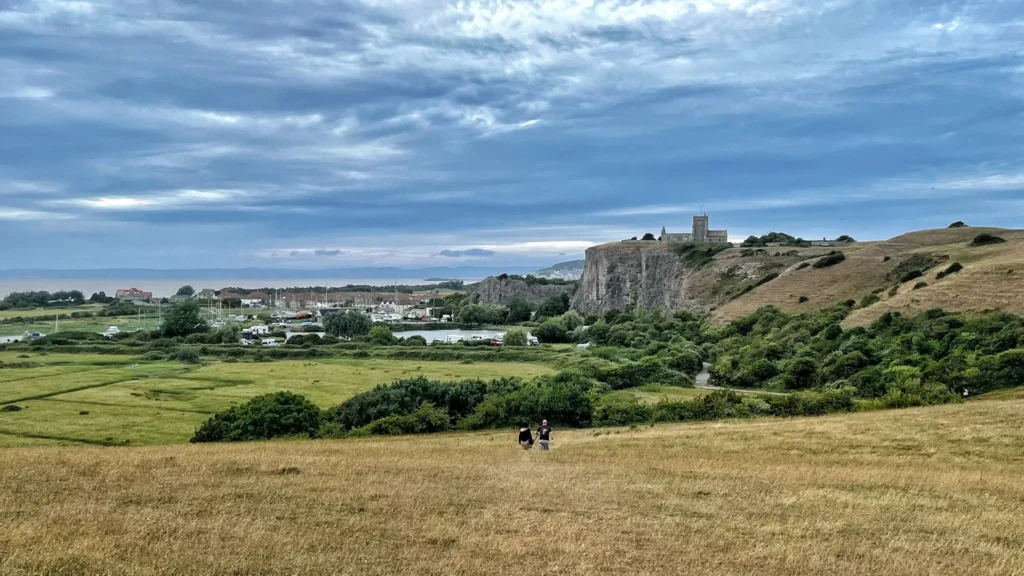
I actually found Uphill by accident. I’d taken the bus out to Brean Down, and on the walk back missed the last bus home, so at 7pm I set off on the 10km walk back into town instead. Uphill is what I stumbled into along the way, a quieter village at the southern end of the beach with a hilltop church and good views back across Weston Bay, and I fell for it instantly. If I’d been staying the night in Weston rather than in Bristol, this is exactly where I’d have chosen to stay.

Is Weston-super-Mare Worth Visiting?
I’d say Weston-super-Mare is worth visiting if you want a proper English seaside day out without it being all arcades and ice cream, though there’s plenty of that too if that’s what you’re after. What I liked most, looking back, is how much sat just beyond the obvious stretch: a derelict pier, an Iron Age hillfort, a headland with an old fort at the end of it. I’d give it a full day, or two if you want to reach Weston Woods and Brean Down as well, and I don’t think you’ll run out of things to do.
If you’re staying in Somerset a little longer, Cheddar Gorge is just up the road and well worth the trip, it’s a huge gorge cut into the Mendip Hills, with caves you can actually walk into and a cheese-making tour at the end. It’s one of my favourite day trips in the area. I’ve written a full guide to things to do in Cheddar if you want to pair the two!
Frequently Asked Questions
Ask Ever!
Have you visited Weston-super-Mare? Share your favourite spot in the comments below!




Leave a Comment